How to Improve Gut Health: The Role of Psyllium Husk Powder in Your Diet
- Posted on
 admin
admin- Categories: Health & Wellness

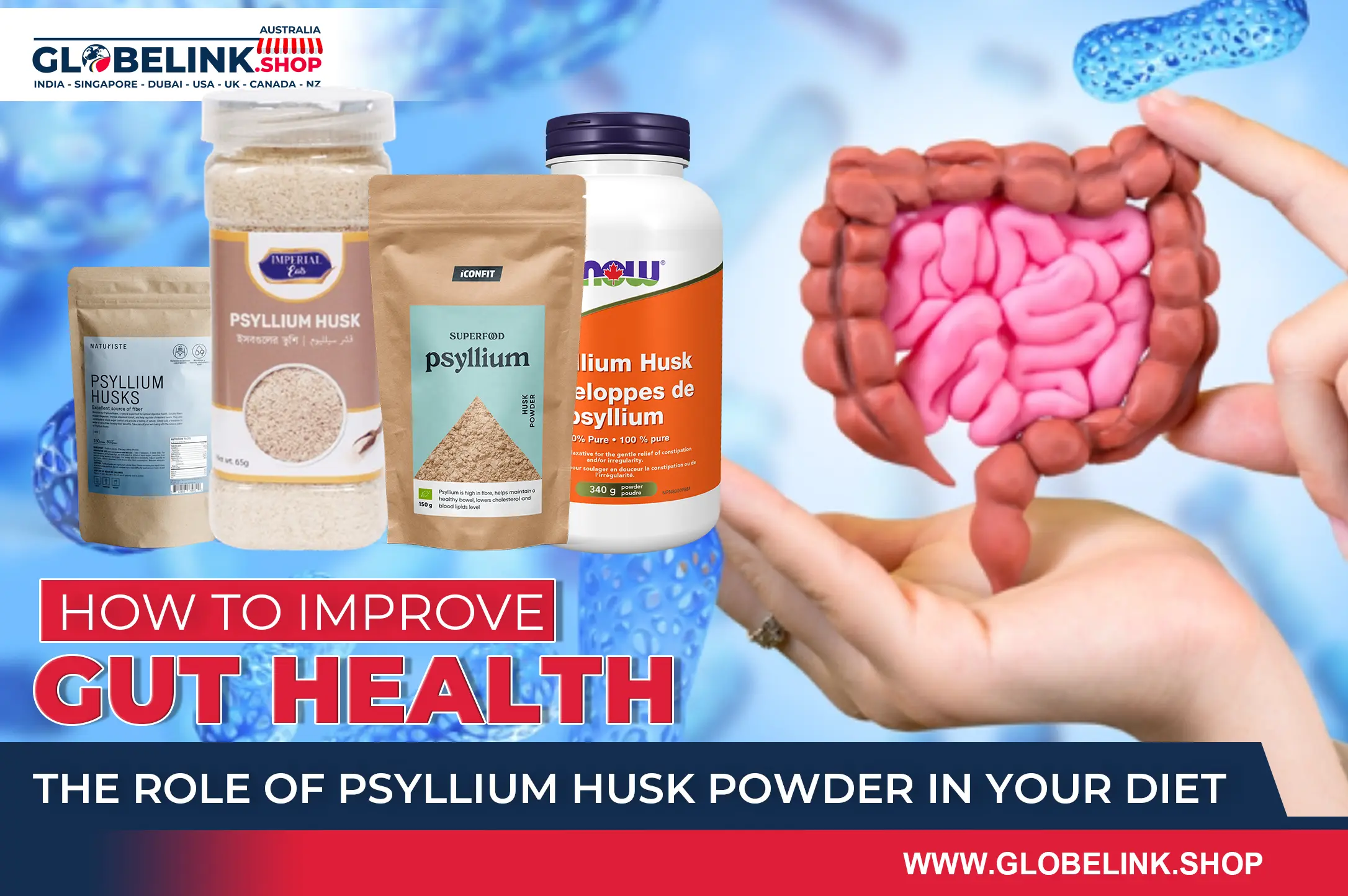
Introduction
Gut feeling is more than just a hunch. A healthier gut is the key to enjoying a healthier lifestyle. But are we really living a healthy life with all that processed food readily available around us? Their intake not just leads to digestive issues but also influences the brain, bones, and, of course, your mood. Well, no need to be horrified because when we discuss a problem, we also offer the best solutions.
Want to know more about how to improve gut health? Stay with us until the end, as we will educate you the best and help you live better!
KeyTakeaways:
- Helps manage both constipation and loose motion-balances water in the gut.
- Supports heart health—can help lower bad cholesterol.
- Aids in blood sugar control—slows down sugar absorption.
- Promotes fullness—may help with weight management by reducing appetite.
- Simple, natural, and vegetarian—easy to add to a daily diet.
What Causes Poor Gut Health
With our modern lifestyles crammed with stress and processed food and abnormal routines- our gut can easily fall out of balance. Addressing stress, prioritizing sleep and adding probiotics and prebiotics together can contribute beneficially to enhance gut health. Shunning nonsensical use of antibiotics and exercising routinely also contribute and play a role.
Let’s delve into things to improve gut health so that it’s just not alive, but prosperous and growing. After all, health is the biggest wealth!
How to Improve Gut Health
Actually it’s very easy to improve gut health naturally. Small diet and lifestyle readjustments are required to improve and fortify gut health. Extend fiber intake, co-opt fermented foods, remain watered as in hydrated, and hold down processed foods and put a cap on sugars. Here’s a more detailed overview at how to improve gut health:
Changes in food habits:
- Expanding Fiber consumption:
Include a lot of fruit and veggies in your diet which are a good source of fiber which serves as the food for our good gut bacteria.
- Fermented Foods: A must have in our diets
Foods like curd, kefir, idli dosa, kanji, ready to eat pickles and kimchi contain probiotics and are full of live microorganisms that can improve gut health.
- Put a cap on Processed Foods and Sugars:
These cause disruptions in the microbiome that is the balance of gut bacteria and may lead to inflammation.
- Diversity in Diet:
To ensure a diverse and healthy gut microbiome incorporate a wide variety and color of fruits, veggies and legumes
- Hydration: Water is the key
Water is super all-important for digestion and aids our entire gut to function properly.
- Bring Probiotics and Prebiotics into consideration:
Probiotics as supplements with prebiotic natural foods can support a thriving gut and a healthy microbiome inside our gut. Prebiotic-rich foods (like bananas, onions, and garlic) can act as food for Probiotics which are beneficial live bacteria.
- Alcohol and Caffeine: Hold it down
This could be a major factor that irritates the digestive system and causes gut bacteria imbalance.
- Slow down eating:
Improper chewing while eating causes digestive issues like bloating and indigestion. .
Lifestyle Modifications:
- Sleeping enough:
Sleeping is downtime for our entire body when the repairs and maintenance kick in, including those in the gut.
- Stress Management:
Stress impacts gut health, looking for healthy ways to manage stress (e.g., social support in the form of a friend group, mindfulness techniques, staying physically active ) is pivotal.
- Exercise: should be part of daily routine
Any form of exercise must be a part of our daily lives, something as simple as yoga or walking can improve digestion and increase the growth of good gut bacteria.
- Mindless and over use of Antibiotics:
Overly using antibiotics usually can disrupt the gut microbiome,use them mindfully and under a physician’s guidance.
Other Factors:
- Consult a Doctor:
Ruling out underlying medical conditions if one experiences repetitive and persistent digestive issues is a must
- Probiotic and Dietary Fiber Supplements:
Lack of fermented foods in our diet should be considered to include probiotic supplements. We must ensure its authenticity and buy from the right place. Similarly if we feel our diet lacks fibers we must consider including psyllium husk powder or capsule ensuring we buy from the authentic sellers.
- Diet and Symptoms:Tracking them
Identifying foods that spark digestive issues is important to guide your dietary choices.Keep a food diary
What Is Psyllium Husk Powder?
Psyllium husk is a naturally found plant based fiber derived from the seeds of a plant that goes by the name Plantago ovata. Many in India commonly know it as isabgol, this natural fiber is mojo for your belly!
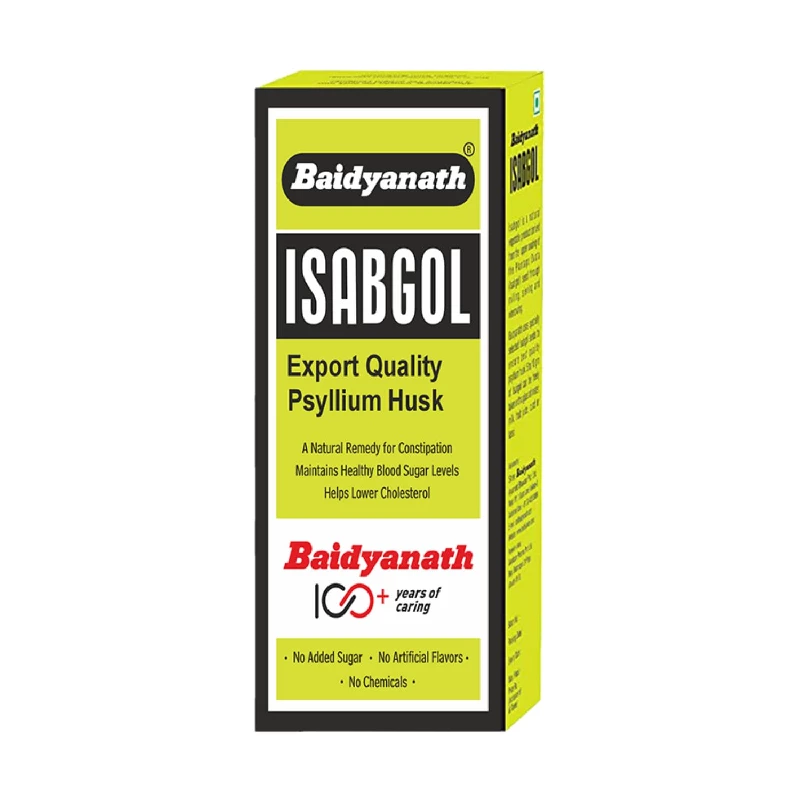
People have confided in psyllium husk for eras- from grandmas to nutritionists- because it’s plain, natural, and typically quite safe. Psyllium husk is greatly beneficial if the belly feels uneasy or sluggish, consider this meek tiny helpmate from nature if next time you want to improve gut health quickly, as also supported by research . Occasionally the simplest things work the best. Funny name, big benefits!
How Psyllium Husk Supports Gut Health
Fibers in diet act like a gentle broom for your tummy — it sweeps things clean aiding in better nutrient absorption and keeping digestion smooth. Dietary fibers belong to a family of nutrients known as carbohydrates. Fiber consists of the parts of plant foods that the body can’t wrap-up or soak in. This sets it isolated from nutrients such as fats, proteins, and other carbohydrates including starches and sugars. The body catalogues these nutrients and absorbs them. Fiber however passes somewhat intact through the stomach, small intestine and colon and out of the body.
Appearing a bit like thirsty/dry tiny flakes or powder — not very elegant, but oh cowboy, Psyllium Husk improves gut health like a charm!!!
When you mix psyllium with water, it wheels into a soft, jelly-like substance that your gut thoroughly loves. It facilitates if you can’t go to the loo happily, and amazingly, it equally helps if you’re going too much. Useful, isn’t it? It is effective either ways by counter balancing stuff behind-the-scenes.
Key Nutritional Benefits of Psyllium Husk
Psyllium husk is a proven food to improve gut health. It is a gentle, fiber-rich helper that keeps our gut clean and helps us “go” happily! This tiny husk has high-soluble fiber content. It can also lower bad cholesterol, steady blood sugar, and even make you feel fuller so you might eat less — a smart trick for the waistline. From easing constipation and calming diarrhea to supporting heart health, it really packs a lot of goodness into something so small!
-
- High Soluble Fiber- This tiny hero is laden with soluble fiber, it absorbs water like a charm, making poops softer and easier to pass. It supplements to improve gut health by relieving constipation
- Supports Healthy Gut Microbiome– Psyllium husk acts as prebiotic feeding good gut bacteria to help them thrive. It’s a proven food to improve gut health.
- Helps control Blood sugar and cholesterol- Taking psyllium supplements can affect the body’s glycemic response to a meal, lowering fasting blood sugar and hemoglobin A1c levels. In the digestive process soluble fibers like psyllium can bind to cholesterol helping the body to excrete, preventing it passing through into the bloodstream, causing a decrease in overall blood cholesterol levels.
- Positive prebiotic effects- Prebiotics are food for intestinal bacteria. They grow feeding on them. Researchers believe that psyllium has prebiotic- effects (foods that improve gut health).
- Diarrhea treatment- Research shows that psyllium can relieve diarrhea. It does this by firming loose stool and slowing down its passage through the colon.
Top Healthy Foods to Improve Gut Health
To improve gut health, we must concentrate on adopting a wide variety of fibrous foods, fermented probiotic food, and prebiotic foods into our daily diet. If it comes to keeping your stomach blissful, our modest kitchen is actually full of secret gut-friendly gems! Few daily edibles that don’t just fill us up but also aid our tummies to stay calm, balanced, and healthy — inherently! Here is a list of what to eat to improve gut health.
Foods rich in fiber
- Leafy greens (eg. spinach, kale etc)
- Apples, Bananas and broccoli,
- Rye bread,
- Barley, and oats
- Legumes (like Chickpeas, beans, and lentils etc
- Seeds & Nuts (Almonds, chia seeds, walnuts, flax seeds etc)
Probiotics or Fermented foods
- Curd and yoghurts
- Kefir milk
- Kimchi,
- Idli dosa,
- Kanji and pickles
- Sauerkraut,
Prebiotic Foods
- Bananas
- Garlic and Onion
- Oats
Optional Helpful Foods
- Bone Broth, lean meat and fish
- Less Sweet Fruits- berries, grapes, and cantaloupe etc
Essential points to remember
- The key lies in diversity to support a diverse gut microbiome. We should be consuming a wide variety of plant-based foods. Nature has a bountiful and we must try and eat as much that’s locally grown and sourced.
- Refined Processed Foods should be a complete no , they can have a negative impact on gut health.
- Digestion is a game of water, it’s imperative to drink water for it to function at its prime!
Body speaks to us listening to it will help you know how different foods affect your digestion and diet can be adjusted accordingly
How to Take Psyllium Husk for Best Gut Health Results
- Mixing Options
A common concern is how to mix psyllium husk powder without clumping. The trick is to always add psyllium husk gradually into a glass of water, milk, or juice while stirring quickly. Drink it immediately before it thickens into a gel-like consistency. Using lukewarm water can also help it dissolve better.
2. Timing
- Many people ask whether they should take psyllium husk before bed. The answer is yes — for constipation relief, consuming it at night with warm water or milk allows it to work overnight, softening stools and promoting regular bowel movements by morning.
- For Weight Loss– Drinking Psyllium Husk 30 minutes before meals can help boost a feeling of satiety and positively aid in weight management and control
- For Acidity– Having a glass after meals mixed with curd or cold milk can help soothe the digestive tract.
3) Dosage Recommendations
A common starting point is 5 grams (approximately 1 teaspoon) mixed with 8 ounces (240 ml) of water or another beverage, taken 1-3 times daily. It’s best to follow the instructions on the product label or advice of a professional.
4) Precautions
Hydration is Key
psyllium husk must be taken with a full glass of water or other liquid to prevent it from thickening too much and causing discomfort or potentially hindering its effectiveness. Start small if it’s your first time — your tummy likes slow introductions!
Psyllium Husk vs Other Gut Health Foods & Supplements
Psyllium husk and other gut health foods and supplements show innumerable benefits for digestive health, how they do it differs in their processes and impact. Psyllium husk is a fiber that is water soluble. It adds mass to your stools and can help in soothing constipation and diarrhea.
Other gut health supplements, like prebiotics and probiotics, are focused on feeding good gut bacteria and uplifting overall gut microbiome balance. What is the best choice depends on persons needs and likings, psyllium husk however is a proven option for promoting regularity and can be a good starting point for many.
Conclusion
The best thing? It doesn’t actually taste like anything. Mix it into water, juice, curd, or even your roti dough — and you won’t even observe it’s there. But unfailingly remind yourself to drink enough water bcoz it’s a thirsty husk and needs a lot of water to drink.Promotes a happy gut that works like clockwork – Is a gentle natural laxative. Overall, psyllium husk is a small but powerful helper that quietly cares for your gut, heart, and general well-being — proof that sometimes, the simplest things do the most good!
Frequently Asked Questions
Can I take psyllium husk daily?
Yes, most people can take psyllium husk daily — and many actually do for better digestion and regularity. It’s natural, gentle, and usually safe when taken in the right amount (about 1–2 teaspoons with plenty of water).
Are there any side effects?
Common side effects may include feeling bloated or changes in your pooping habits. If you do not take psyllium with enough water, it can cause you to choke. You should drink at least 8 ounces of water or other liquid with each dose of psyllium.
How long before I see gut health benefits?
You can generally expect to see some initial benefits from psyllium husk within a few days to a week of consistent use, particularly for improving bowel regularity. However, more noticeable and significant improvements in gut health, such as reduced bloating or changes in gut microbiota, may take several weeks or even months to appear.
Is it safe with other medications?
Psyllium has a large quantity of fiber. Fiber decreases, increases, or has no effect on how much of any medicine might get absorbed. Taking psyllium together with medicine you take orally might impact the effects of your oral medication. Taking psyllium 30-60 minutes after medications you take orally can avoid this interference.
Can I take psyllium husk before bed?
Yes, especially if you’re using it for constipation relief. Taking it before bed with warm water or milk allows it to work overnight, helping to soften stools and improve regularity.
How to mix psyllium husk powder without clumping?
Always sprinkle psyllium husk gradually into water, milk, or juice while stirring quickly. Drink right away before it thickens, and use lukewarm water for a smoother mix.