Are Salted Peanuts Good for You? Best Ways to Include Them in Your Diet
- Posted on
 admin
admin- Categories: Health & Wellness

Introduction
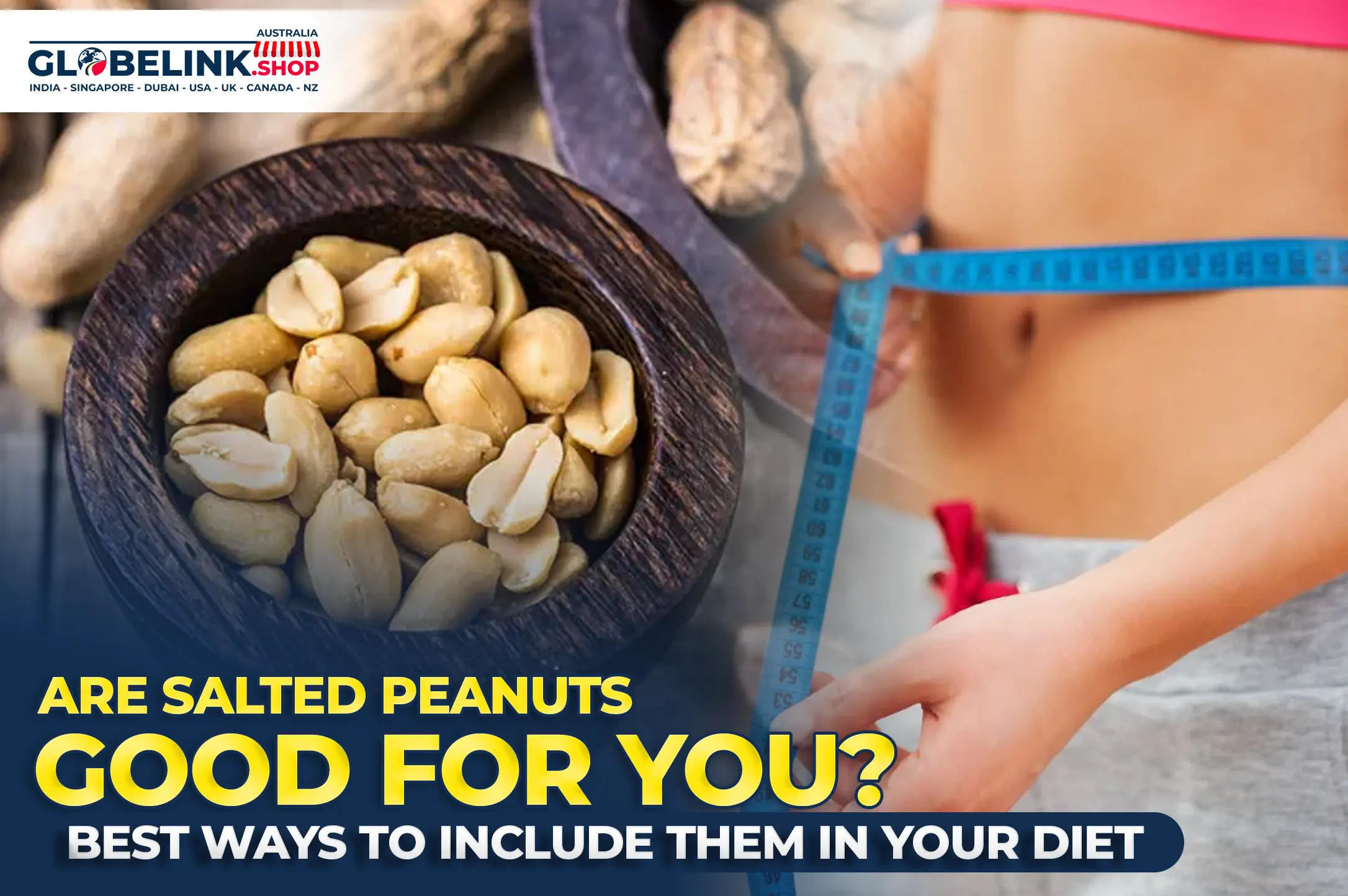
The humble peanut isn’t even a nut! In reality, it’s a legume (similar to beans & lentils). They grow underground in pods, unlike nuts that grow on trees. Why are we even discussing peanuts today? The answer lies in their nutritional value — and among the many ways to enjoy them, as they are incredibly versatile, salted peanuts often top the list as a beloved snack.
So, it becomes important to ask: Are salted peanuts actually good for our health? Though peanuts can be enjoyed in countless ways, here we’ll focus on perhaps the most popular preparation: salted peanuts!
We’ll explore all aspects of our favorite snack — the salted peanuts — through this article, to make sure we can make the most of our snacking choices. Stay tuned till the end for tips on enlightened and conscious snacking!
What Are Salted Peanuts?
Salted peanuts are made by roasting peanuts slowly over a low flame in a bath of salt, which gives them their perfect crunch, balanced saltiness, and rich nutty flavor. After which, depending on the recipe or brand, different spices, oil, or tadkas can be added to them.
However, plain Jane salted peanuts, lightly roasted and coated with salt. Salt usually enhances the flavour and helps preserve them longer. They are our best comrades on movie nights, road trips, bar counters, or kept handy as a quick evening snack. Crunchy, savory, and addictive, they’re hard to resist.
Nutritional profile of salted peanuts
Peanuts, moongphali, or groundnuts are packed with macro- and micronutrients and have emerged as a modern superfood.
Their nutritional profile will show how they are both nourishing and calorie-dense, which is why a snack is known as a powerhouse and has emerged as the new super food.
Here’s what you typically get per 100g of salted peanuts (values approximate):
- Calories: ~570 kcal
- Protein: 25–26g (plant-based!)
- Total Fat: 48–50g (mostly monounsaturated and polyunsaturated fats)
- Carbohydrates: 16–18g
- Fiber: ~8–10g
- Sodium: Can vary from 250mg to over 600mg, depending on how salty
- Vitamins: B-complex (B1, B3, B9), Vitamin E
- Minerals: Magnesium, phosphorus, zinc, potassium, manganese
- Antioxidants: Resveratrol and other polyphenols
Are Salted Peanuts Good for You? Benefits and Risks
Salted peanuts are good for us and thus hold a special place in our daily lives, perfect for satisfying those small hunger pangs between meals and giving us an instant boost of energy. Even on special fasting days, groundnuts find their way into countless fasting recipes. They’re even enjoyed boiled, raw, or deep-fried; ground into chutneys; pressed to extract groundnut oil; and even sprouted to add to salads and various dishes. After analyzing their nutritional profile, let’s conduct a benefits and risk analysis to understand when something good for us can start causing harm.
Potential Health Benefits
- It is abundant in Plant Protein- Peanuts give (25-26 gm for 100 gms each) of a vegetarian dose of protein, making them perfect for vegetarians, vegans, and all those fitness enthusiasts searching for a quick protein boost.
- It has healthy Fats for Heart Health- Around 80% of peanut fat is “good fat”:
- Monounsaturated fats (MUFA) lend support in maintaining healthy cholesterol levels.
- Polyunsaturated fats (PUFA) are essential for brain and cell function.
Replacing (butter, fatty meats), which are saturated fats, with these fats can lower LDL (“bad”) cholesterol and reduce cardiovascular risk.
- High quantity of Fiber – Fibers act like a gentle broom, cleaning your gut and supporting digestion, which keeps you feeling full for longer. A handful of peanuts offers ~2–3g fiber.
- They are packed with Vitamins and Minerals- Peanuts are packed with
- Vitamin E (antioxidant)
- B vitamins (energy metabolism)
- Magnesium & potassium (nerve & muscle function)
- Zinc & manganese (immune support, cell repair)
- It has the Power of Antioxidants – Antioxidants fight free radicals that cause damage to our cells. Peanuts contain bioactive compounds, including resveratrol, which have antioxidant properties that help fight oxidative stress.
- It aids brain health and energy. Cognitive function decreases with age, and peanuts contain niacin (Vitamin B3), which supports brain health and may help protect cognitive function as we age.
Many people wonder, “Are lightly salted peanuts good for you?” The answer is yes, because when the salt content is kept minimal, they retain all the nutritional benefits of regular peanuts while lowering the sodium intake, making them a better option for daily snacking.
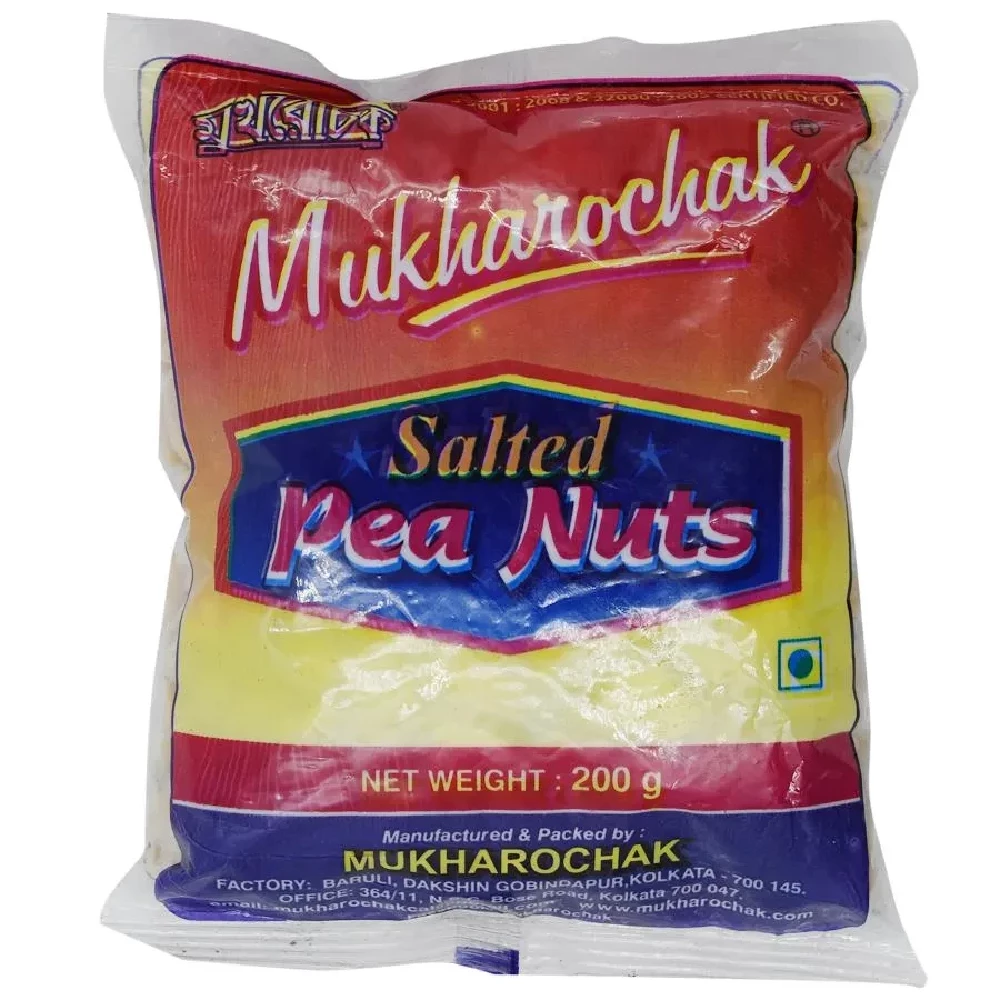
Salted Peanuts-Pack Size-200 g
Salted Peanuts-Pack Size-200 g
Mukharochak presents the authentic ‘Sangli’ peanuts from Gujarat, individually hand-cleaned, processed, and roasted to perfection.
Revitalize your taste buds with our Salted Peanuts! A burst of “easy come – easy go” flavor, perfect for breaking monotony. Mukharochak presents the authentic ‘Sangli’ peanuts from Gujarat, individually hand-cleaned, processed, and roasted to perfection. Elevate your mood with this healthy snack? No artificial additives, preservatives, or chemicals, and 0% cholesterol and TransFat. Grab a pack for instant delight!
Possible Health Risks
- Health Risk possibilities- Salted peanuts may have high sodium levels. High sodium levels increase blood pressure, fluid retention, and heart disease risk, stroke risk, especially if consumed in excess.
- Affordable, tasty, and portable snacks make it easy to overeat- Because they’re crunchy and salty, it’s easy to snack mindlessly and overeat -leading to weight gain over time.
- Peanuts top the list of the most common food allergies; they can cause severe reactions and could be life-threatening in sensitive individuals.
- People love salt & already overdo the daily allowed sodium levels (about 2300mg); salty snacks can unknowingly add up.
- Peanuts are calorie-dense– A palmful (30g) is ~160–180 kcal. Crunchiness and salt make them addictive and irresistible, making it hard to stop at just a handful, which may contribute to potential weight gain.
- Taste enhancers and extra oil- added oils (palm oil, peanut oil) or preservatives in commercial salted peanuts are not ideal if you’re trying to keep your diet clean.
On the flip side, people often ask, “Are salted peanuts bad for you?” They aren’t inherently bad, but when consumed in excess, the high sodium and calorie content can pose health risks, especially for those with hypertension or heart conditions.
Expert Tips for Healthy Snacking with Salted Peanuts
- Food labels must be read carefully. Try to select the dry-roasted or lightly salted ones to limit our sodium intake.
- There are air-fried options available. Pick them over deep-fried ones. It helps to reduce added oils and calories.
- Keeping a 50-50 ratio or mixing salted peanuts with half unsalted ones can also help cut down on sodium intake.
- Picking to munch on them at the right time of day, like mid-morning or mid-afternoon when we need an energy boost, makes them an even smarter choice.
- Peanuts have protein and healthy fats, which are necessary for muscle recovery, making them a good post-workout snack
- You can grind salted peanuts to make dips or chutneys and enjoy them.
Portion Control
- Stick to a small handful (about 28–30g or roughly 1 ounce) per snack.
- Use a small bowl and pour your portion into it. Avoid eating directly from the pack to keep track of the amount.
- Sprinkle crushed peanuts on cut fresh fruit or a mixed fruit salad bowl, which helps to make it extra healthy.
- Salted peanuts, when paired with veggie sticks or a vegetable salad, add healthy fats, making the salad more wholesome.
When to Limit or Avoid
Salted peanuts must be avoided or used in limited quantities if:
- You have heart disease, hypertension, and kidney disease, which needs less sodium, and you have been advised to eat a low-sodium diet.
- You tend to overeat, adding excess calories
- You’re allergic (even “may contain traces” labels count).
Salted vs. Unsalted Peanuts: Which Is Healthier?
From a purely nutritional perspective, unsalted peanuts win because of lower sodium content, making them heart-healthy while retaining the same amount of nutrition.
Sodium is needed. It is required for healthy heart and nerve function, and it is also needed for fluid regulation in your body. Plus, just the right amount of salt in our curries, dals, or soups enhances their taste and makes them more palatable. While making cakes, bread, and rotis , a pinch of salt is an absolute must to make them taste the way we love them. Crunchy, savory, salted peanuts could thus be more tasty & satisfying than a bigger portion of unsalted ones. By opting for simpler, lightly salted preparations at home or on the move, we could continue to enjoy this powerhouse of a snack.
Final Thoughts: Are Salted Peanuts Good for You?
Salt is an ingredient that teaches us balance – too little feels bland and too much of it is inedible. Peanuts, for sure, are good for us because of the amount of nutritional benefits these small seeds hold. Roasting them in salt enhances their flavour. So, salted peanuts in our diet are definitely good, but the answer lies in balanced usage.
Furthermore, Peanut plants fix nitrogen in the soil, which helps improve soil fertility for future crops. In short, peanuts are fake nuts with a big, responsible role in our diets and agriculture.
We need to be watchful not to overdo it because high sodium levels and calories can become problematic.
Conscious and mindful snacking, along with limited portions, are crucial rules to follow for the best results. Sometimes, switching to unsalted or lightly salted versions can allow you to enjoy the taste and benefits without guilt.
They bring a treasure box of goodness: all packed in a tiny, affordable “fake” nut.
FAQ’s
Are salted peanuts good for you?
Yes, salted peanuts are good for us. Their benefits outweigh the sodium content. Balance usage is the mantra. We opt for low-sodium content, choosing roasted over deep-fried options, and enjoy them with their skin on. We also look for creative ways to incorporate them into our diets, such as sprinkling them on salads or fruit bowls, or making chutneys and homemade peanut butter, because they are a powerhouse of nutrition.
How many salted peanuts should you eat in a day?
A balanced recommendation is about 28 g, staying within the recommended dose will help us enjoy the health and nutritional benefits.
Are salted peanuts healthier than chips?
For sure, better than chips because chips have no or zero nutritional benefits. Except for carbohydrates, they have no nutritional benefits to offer. Salted peanuts are way higher on the health & nutrition scale – more protein, fiber, healthy fats, and micronutrients.
Is it healthy to eat unsalted peanuts?
Yes, absolutely, it retains all the nutrition while eliminating the sodium. For individuals on a low-sodium diet due to medical or health reasons, unsalted peanuts are a suitable option.
Is it ok to eat salted nuts every day?
If we are well within our calorie and sodium intake guidelines, then it is ok to eat salted nuts daily.