Moisturiser for Acne-Prone Skin: Complete Guide to Choosing the Right One
- Posted on
 Akash Jha
- Categories: Moisturizer

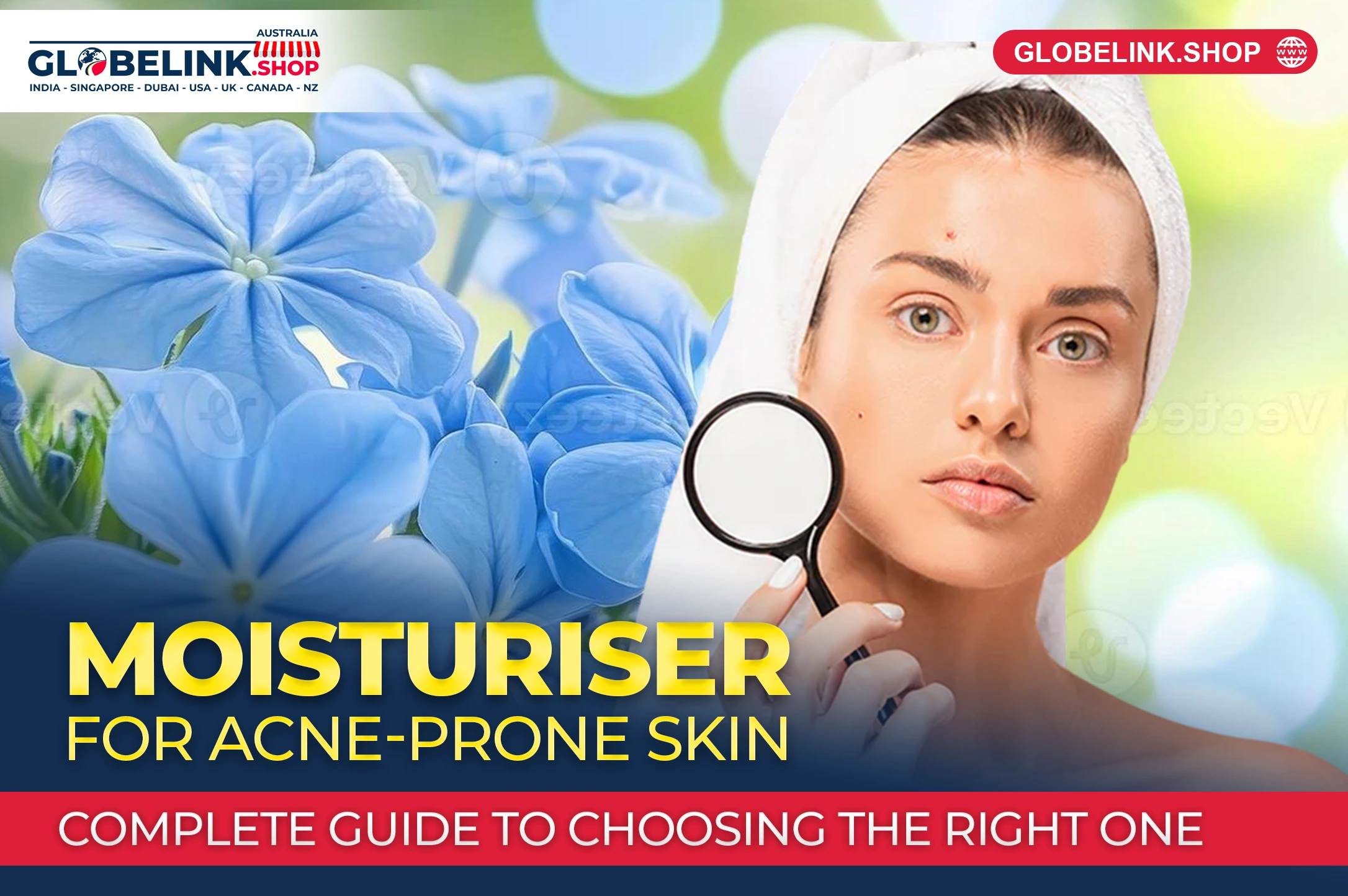
Your skin is meant to make oil. That oil, called sebum, keeps your face soft, locks in water, and helps build a gentle acidic shield that keeps germs in check. In the right amount, it is your friend.
Trouble starts when the balance slips. Hormones jump in at puberty or around your period. Heat and humidity push shine up. Air conditioning and over-cleansing pull water out. Stress, sugary foods, and not drinking enough water add to the chaos.
Then the recipe for pimples shows up. Extra oil mixes with dead skin cells, a pore gets blocked, bacteria settle in, and you see a bump. The best moisturizer for acne prone skin is not about avoiding oil completely but finding one that restores balance without clogging pores.
Moisturising Acne-Prone Skin: Why It Matters
When breakouts show up, the first instinct is to keep everything overtly clean and skip moisturiser. You worry that any cream will smother the pores. But skin that is constantly stripped gets reactive. It turns red, flaky, and oddly more oily.
The answer is not to strip your skin but to balance it. Retain moisture in, keep that acid barrier happy, and guide your skin back to “just enough” oil. Using the best moisturizer for acne prone skin restores calm by supporting hydration and balance.
A good moisturiser for acne-prone skin is one that keeps the barrier strong so treatments work better.
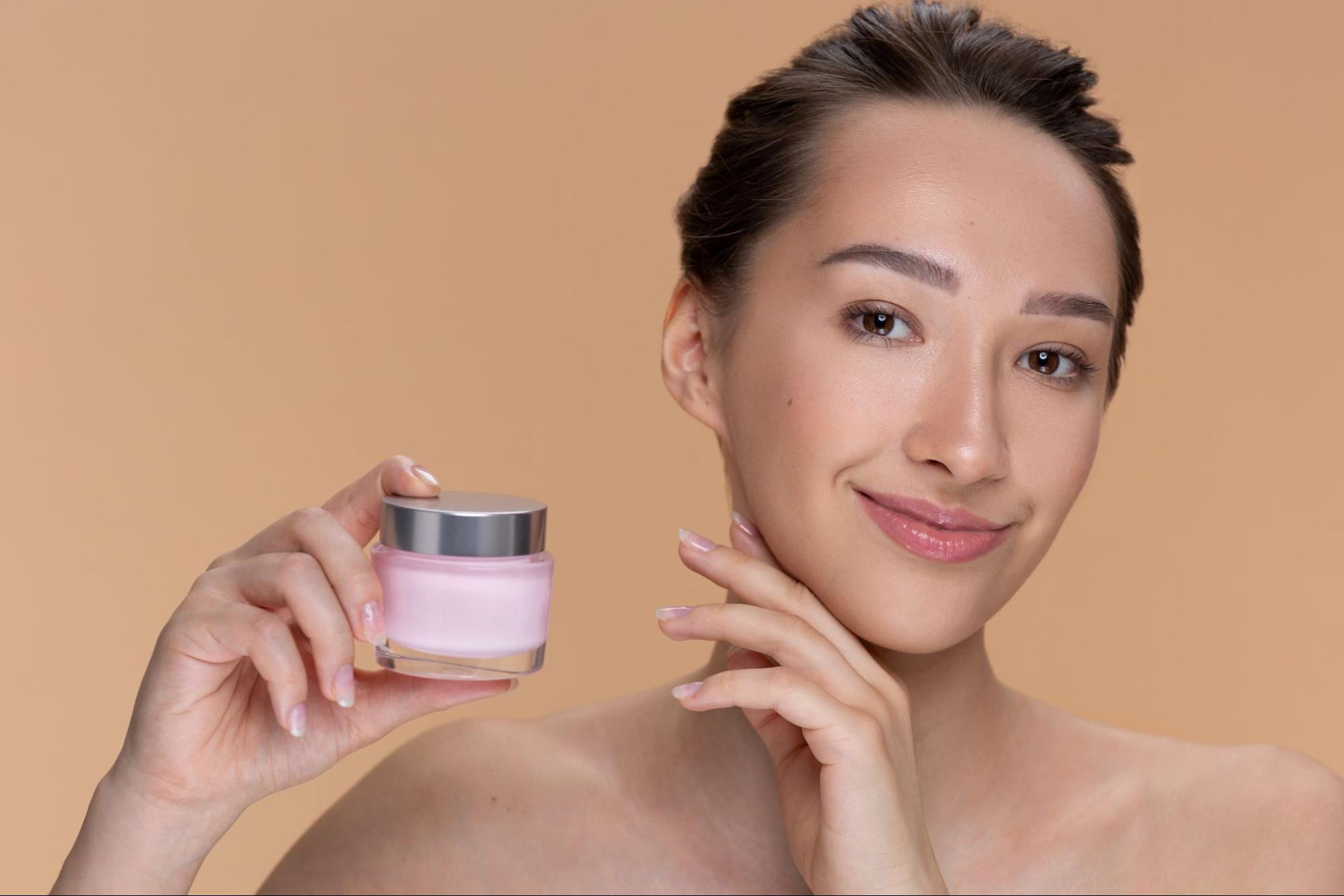
Prevents Dryness and Irritation
For dry acne-prone skin, reach for a gel cream that feels cooling on contact and sinks in without a waxy film. The best moisturizer for dry acne prone skin hydrates without clogging, letting you smile without tightness around the mouth and cheeks.
Balances Oil Production
Dehydrated skin behaves like a thirsty plant. It overcompensates. It sends out more oil to help itself and ends up shiny by lunch. A water-based moisturizer for oily acne prone skin signals safety, helping sebum levels settle. Pores feel less congested at the end of the day.
Choose water-light gels that vanish when you spread them, not thick layers that sit on top. A moisturiser for oily acne-prone skin hydrates while helping keep sebum in check.
Strengthens and Supports Skin Barrier
Your barrier is your skin’s security guard. When it is strong, irritants stay out and hydration stays in. When it is weak, even small triggers cause a flare.
A good moisturizer for acne prone skin restores lost hydration, repairs micro-cracks, and helps resist flare-ups.
The goal is simple. Calm skin, steady oil, fewer surprises. A good moisturiser for acne-prone skin protects the barrier so treatments feel gentler and work better.
Key Ingredients to Look for in a Moisturiser for Acne-Prone Skin

A small group of ingredients can change the way acne-prone skin behaves. Learn their names like you learn the names of spices in your kitchen. The best moisturizer for oily, acne-prone skin is often built around these few trusted ingredients.
Hyaluronic Acid for Deep Hydration
Hyaluronic acid is a kind of water magnet. It draws water into the outer layers and makes the skin feel bouncy without grease. If you are asking which moisturiser is best for acne-prone skin in summer, a hyaluronic acid gel is often the easiest win. It gives that fresh, bouncy feel right after application.
Niacinamide for Calming and Reducing Inflammation
Niacinamide is a gentle multitasker. It calms redness, softens the look of marks left behind by pimples, and helps balance oil. If your T zone gets shiny and your cheeks get angry, niacinamide is a friend you want in the formula. Many of the best moisturizer for oily acne prone skin formulas combine niacinamide with a gel texture. A moisturiser with niacinamide often helps you look more polished throughout the day.
Ceramides for Strengthening Skin Barrier
Ceramides are part of the glue that holds skin cells together. When your barrier feels fragile after a new treatment or a weather change, ceramides help patch up those micro-cracks. Skin looks smoother, feels less sore, and tolerates actives better.
Glycerin for Lasting Moisture
Never underestimate the classics. Glycerin draws water into the skin and holds it there. It is gentle, steady, and suits almost everyone. A reliable sign of a good moisturizer for acne prone skin is glycerin high on the list.
Ingredients to Avoid in Acne-Prone Skin Moisturisers
Heavy Oils and Greasy Formulas
Coconut oil, cocoa butter, and heavy occlusives can sit on the face like a thick layer. That tends to trap heat and sebum, which is not what acne-prone skin needs. Save the richer butters for body care.
Alcohol and Harsh Astringents
They feel refreshing for a minute, and then the dryness sets in. The skin fights back with more oil. Choose alcohol free options so your barrier can stay quiet and strong.
Best Moisturiser for Acne-Prone Skin:
Here are four choices from GlobeLink.shop that cover the most common needs for acne-prone skin. Pick by how your skin feels this week, not just by habit.
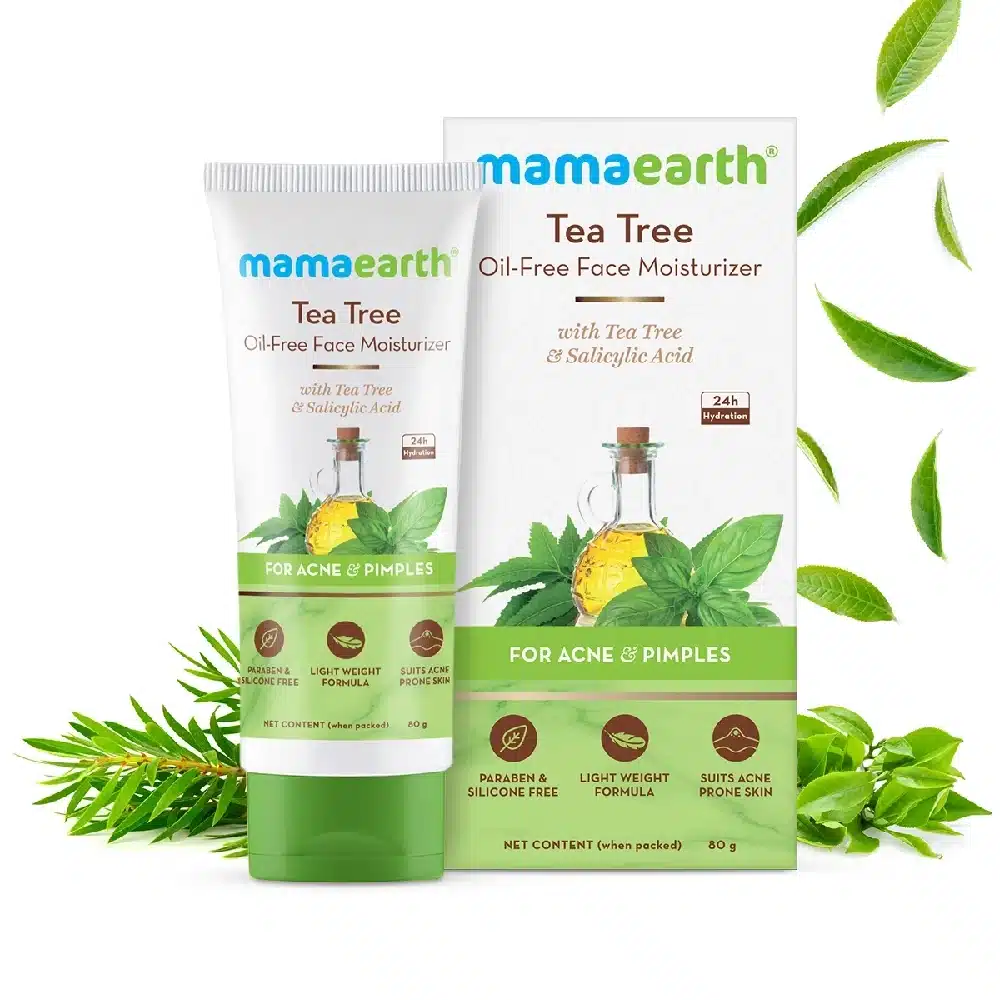
Tea tree oil | Salicylic acid | Glycerin
Why it helps: The Tea Tree Salicylic Gel and the Apple Cider Vinegar formula are standouts. The gel feels cool, spreads easily, and disappears fast. Tea tree offers gentle purifying support, which helps when pores feel inflamed. Salicylic acid works inside the pores to loosen dead cells and reduce congestion. The base is light and oil-free, so you get hydration without shine. Glycerin adds steady moisture. Each works as the best moisturizer for oily, acne prone skin when you want hydration that feels fresh.
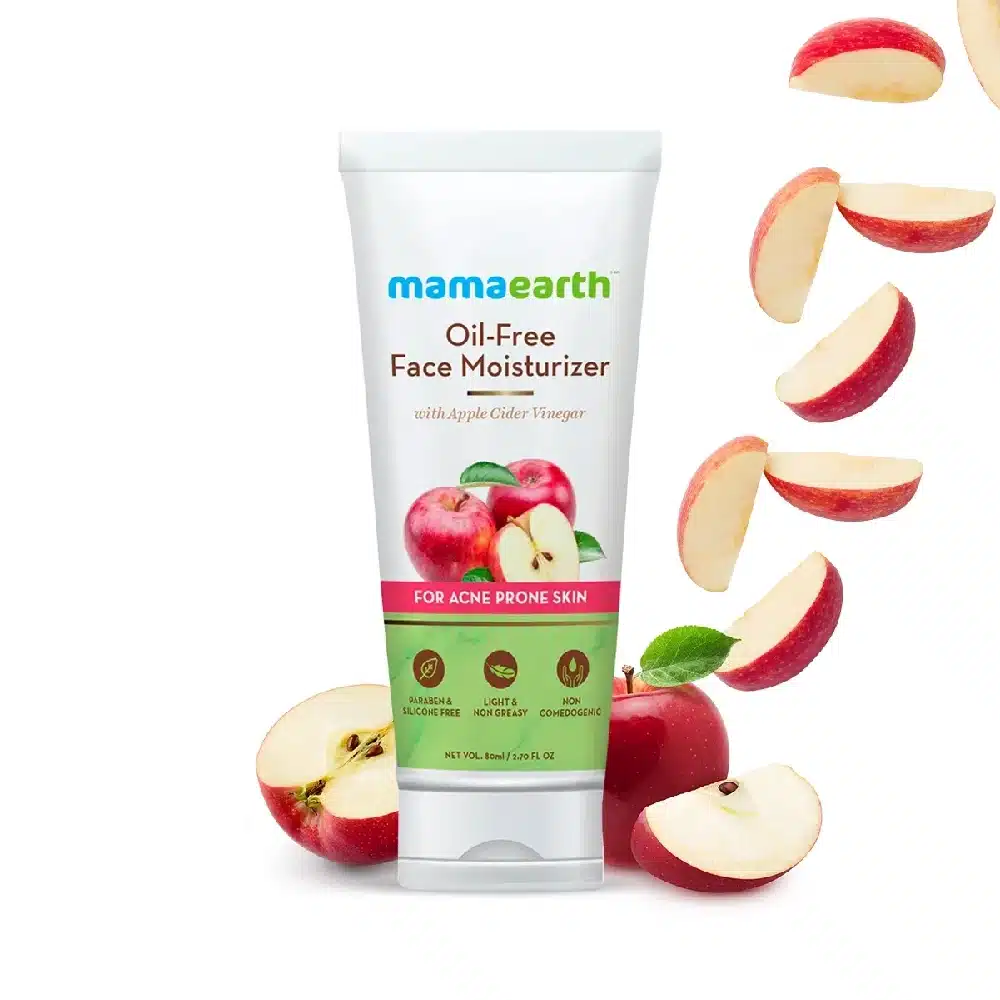
Apple cider vinegar | Glycerin
Why it helps: Choose this when your skin feels unbalanced throughout the week. Apple cider vinegar helps maintain a comfortable pH on the surface, which keeps skin behaviour calm. The texture is water-light, so there is no sticky layer. You also get humectants like glycerin that hold water where it is needed. It is a sensible everyday pick if you want one bottle that plays well with the rest of your routine.
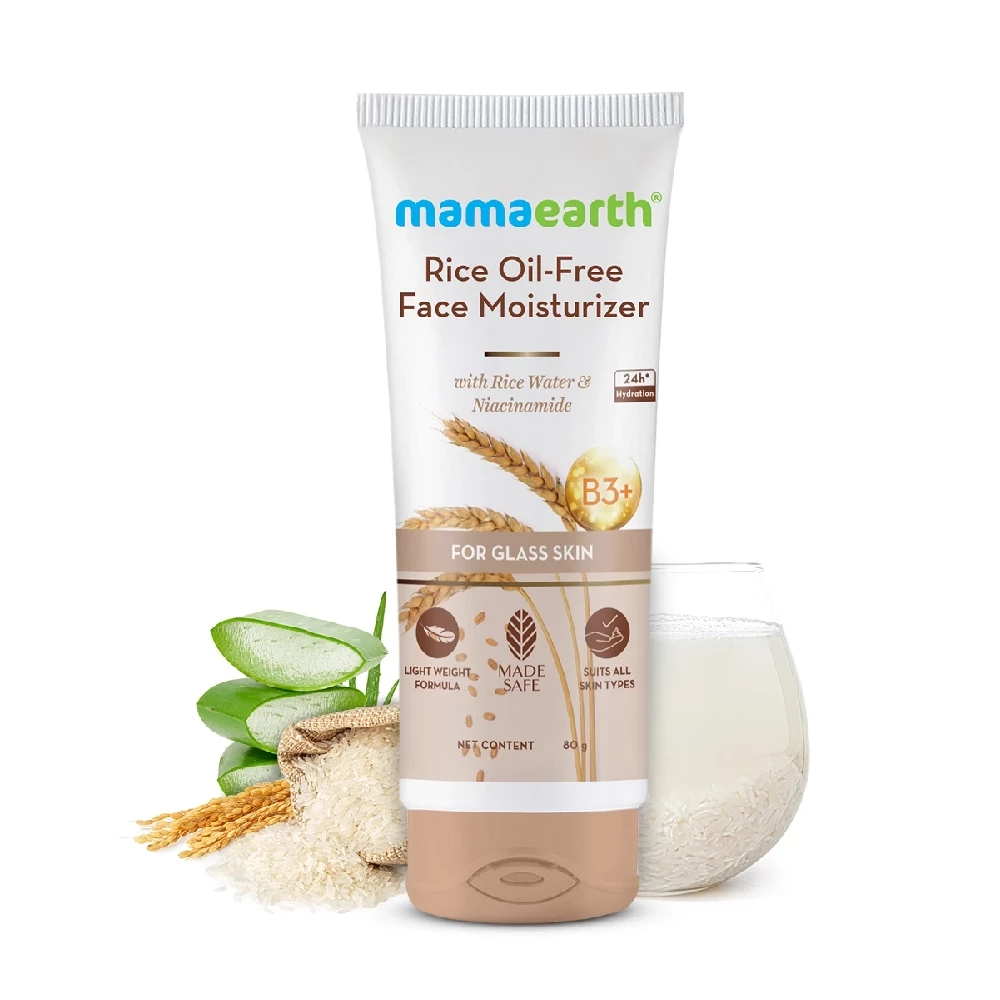
Rice water | Niacinamide | Glycerin
Why it helps: Rice water brings a soothing, softening feel, while niacinamide helps even tone and supports the barrier. If you are dealing with redness, scattered marks, or the aftermath of old pimples, this one is kind. On calm days, reach for the Rice Water and Niacinamide option. It is a good moisturizer for acne prone skin when you just want comfort without overthinking.
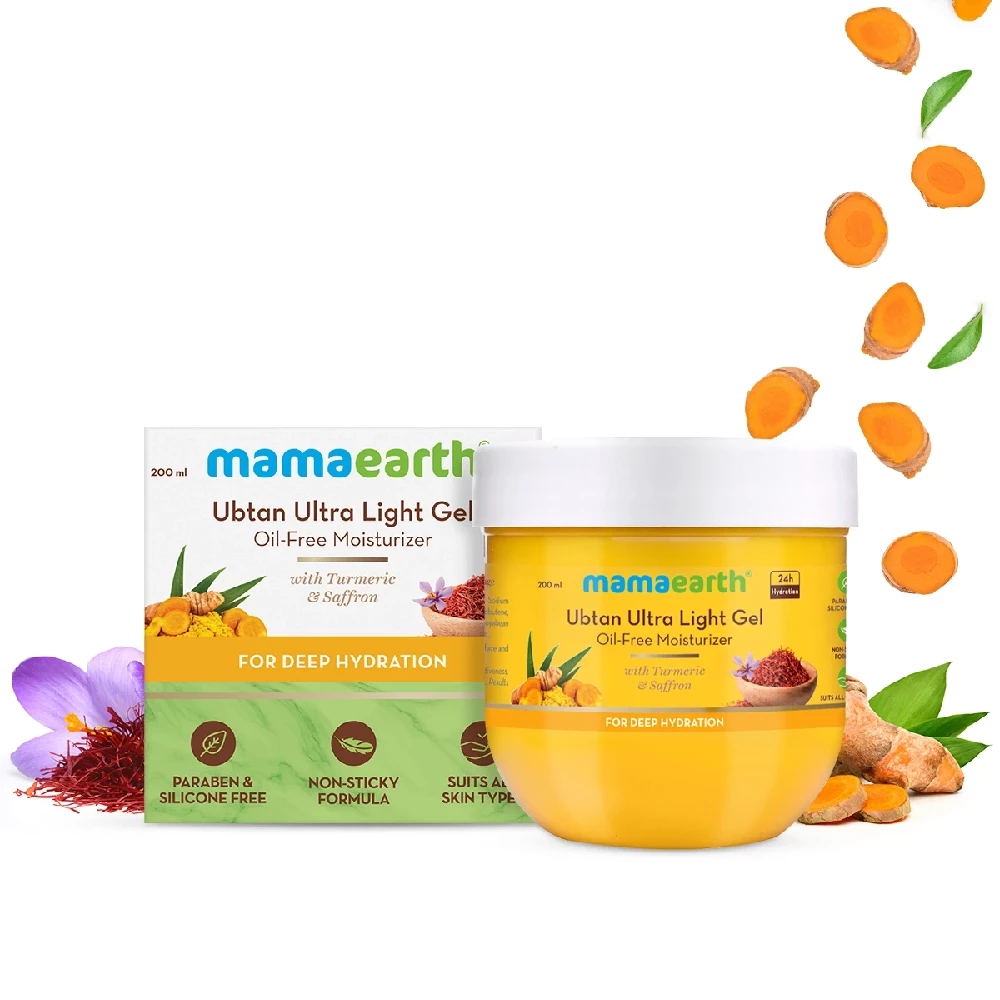
Turmeric | Saffron | Glycerine
Why it helps: when skin looks dull or feels tired, turmeric and saffron offer antioxidant comfort while the ultra-light gel gives steady hydration. You will not feel sticky. It is a good pick for dry acne-prone skin that still breaks out but wants a healthier glow. The big bottle also makes it a smart family option.
Choosing a Moisturiser Based on Skin Type
Best Moisturiser for Dry Acne-Prone Skin
Start with textures that feel like a drink of water rather than a coat of butter. The Ubtan Ultra Light Gel is lovely when cheeks feel tight and the rest of the face is moody. It brings comfort, a soft gleam, and no heaviness.
If you lean dry but your breakouts leave lingering marks, the Rice Water and Niacinamide option keeps the barrier steady while helping the skin look more even.
Best Moisturiser for Oily, Acne-Prone Skin
Choose what sinks in fast and leaves the surface fresh. The Tea Tree and Salicylic Acid gel is a clear morning pick on breakout days. It sets a calm tone before sunscreen. If you prefer something steady and very quiet, the Apple Cider Vinegar moisturiser balances through the day without drawing attention to itself.
Good Everyday Moisturiser for Acne-Prone Skin
When you want one bottle to reach for without thinking, go by season and schedule. During warm months or busy weeks, the Apple Cider Vinegar option is simple and reliable.
When the skin is a bit reactive or you see redness more than active acne, the Rice Water and Niacinamide formula often feels the most comforting.
FAQs: Which moisturiser is best for acne-prone skin
Do oily skin types really need moisturiser?
Yes. Oily skin still loses water. The right moisturizer for oily acne prone skin keeps hydration balanced and prevents overproduction of oil. Oil becomes more manageable when the water balance feels right.
Can moisturiser cause breakouts?
It can, if the formula is heavy or comedogenic. That is why texture matters. Oil-free gels and non-comedogenic lotions are designed to hydrate without blocking pores. The best moisturizer for acne prone skin is oil-free, gel-based, and non-comedogenic.
How often should I moisturise acne-prone skin?
Twice a day works for most. After cleansing in the morning, apply a light layer, then sunscreen. At night, wash gently, use your treatment if you need it, and finish with moisturiser. If your skin is feeling sore or freshly irritated, use a little extra at night so the barrier can recover while you sleep.
Conclusion
Finding the best moisturizer for acne prone skin is about balance, not punishment. It is about listening to what the skin is asking for today.When your skin feels dry, use the best moisturizer for dry acne prone skin. When it feels shiny, go for a moisturizer for oily acne prone skin that hydrates without heaviness. If it is red and easily upset, add niacinamide and gentle humectants so the barrier can grow strong.
And if you forget everything else, remember this. Respect the barrier. Feed it water. Keep textures light. Your skin is not a problem to punish. A good moisturizer for acne prone skin does not fight against you. It works with your skin to restore balance, reduce surprises, and bring back comfort.