Are Wheat-Free Oats Gluten-Free? Everything You Need to Know
- Posted on
 Akash Jha
- Categories: Health & Wellness

Introduction
Oats weren’t always the breakfast heroes we know today. Once upon a time, they were just weeds sneaking into wheat fields, surviving because they looked enough like wheat to escape the farmer’s hand. But oats had a secret strength, they could grow in cold, damp soil where wheat gave up. That’s how they slowly found a home in kitchens, turning into porridge and biscuits across Europe.
Fast forward to now, and oats are everywhere — in porridge bowls, granola bars, smoothies, even oat milk in your coffee. And with food allergies and intolerances so common today, oats have become the “safe grain” many people lean on. The irony? The crop no one wanted has turned into the one we can’t stop putting into everything.
That gap between “natural” and “what lands in your kitchen” is where most slip-ups happen. Let’s clear it up, gently and thoroughly.
I learned this the clumsy way. A friend, Neha, tried “wheat-free” granola and spent the day feeling off. The culprit wasn’t wheat. It was a barley-derived ingredient lurking in the mix. Labels can look friendly. Our job is to read them like detectives.
Before we get too deep into the science stuff, here’s a quick peek at what we’ll explore together:
- How “wheat-free” and “gluten-free” sound alike but aren’t the same thing
- Why oats are naturally safe in theory, but not always in practice
- The role of avenin, the oat protein that sometimes confuses sensitive tummies
- How cross-contamination sneaks in during farming, transport, and packaging
- Simple ways to spot truly gluten-free oats
- Practical tips for anyone managing gluten sensitivity or celiac disease day-to-day
- Straightforward answers to those oat questions that keep popping up
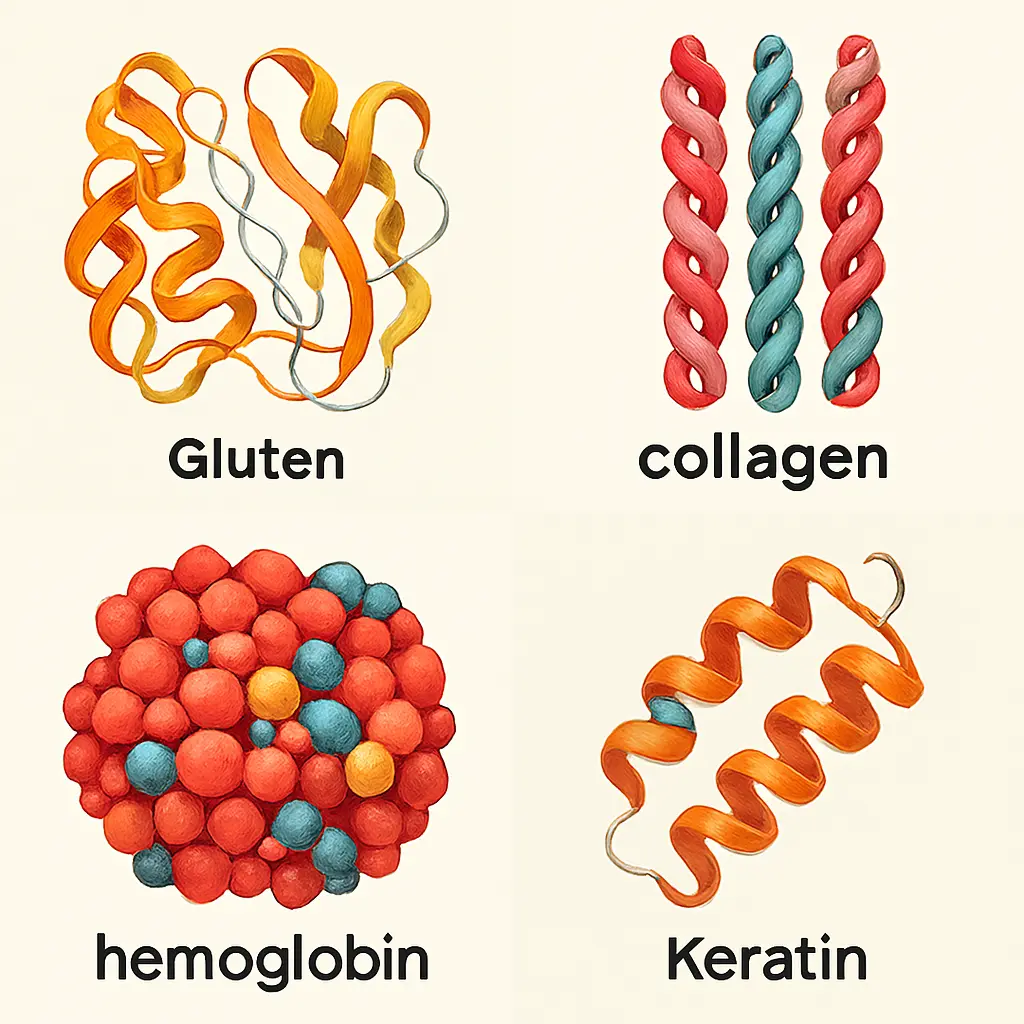
So what do proteins actually do? A lot.
- They act like enzymes, speeding up chemical reactions, like the ones that help you digest food.
- They also give your body structure, making up things like collagen in your skin and keratin in your hair.
- Some proteins work as transporters, like haemoglobin, which carries oxygen through your blood.
- Others act as messengers, such as hormones, helping your cells and organs stay in sync.
- And then there are the protectors, antibodies standing guard to fight off bacteria and viruses.
- In short, proteins are multitaskers, keeping everything in your body running smoothly.
Protein allergies occur when your immune system crosses its wires. Food proteins, such as those found in peanuts, milk, wheat, or eggs, are normally harmless. In some adults or children, because of multiple reasons, the human body is unable to differentiate and reacts against them as foreign elements. The immune system swings overboard, overreacts, releasing antibodies and chemicals such as histamine. It is this histamine that causes rashes, swelling, vomiting, headaches, sneezing, or much worse symptoms.

Why do only a few people have gluten sensitivity, and others don’t? The answer is that no one reason can ever be responsible. It’s a multi-level reason so intertwined that it’s difficult to pinpoint. To name a few common ones, it’s a mix of genetics, environment, and timing. If allergies run in your family, your chances go up. Sometimes, being exposed to certain foods too early or too late in childhood can also play a role. Environmental factors such as pollution or infections can “train” the immune system in strange ways.
So basically, it’s your body trying to protect you, but picking the wrong fight.
Are Wheat-Free Oats Gluten-Free?
“Wheat-free” means no wheat ingredients were added. That’s it. It does not rule out barley or rye. A snack can skip wheat flour and still include barley malt or rye flakes. In that case, it is wheat-free but not safe if you’re avoiding gluten. As for oats, they can be wheat-free by nature and still carry stray gluten if they were contaminated during farming or processing.
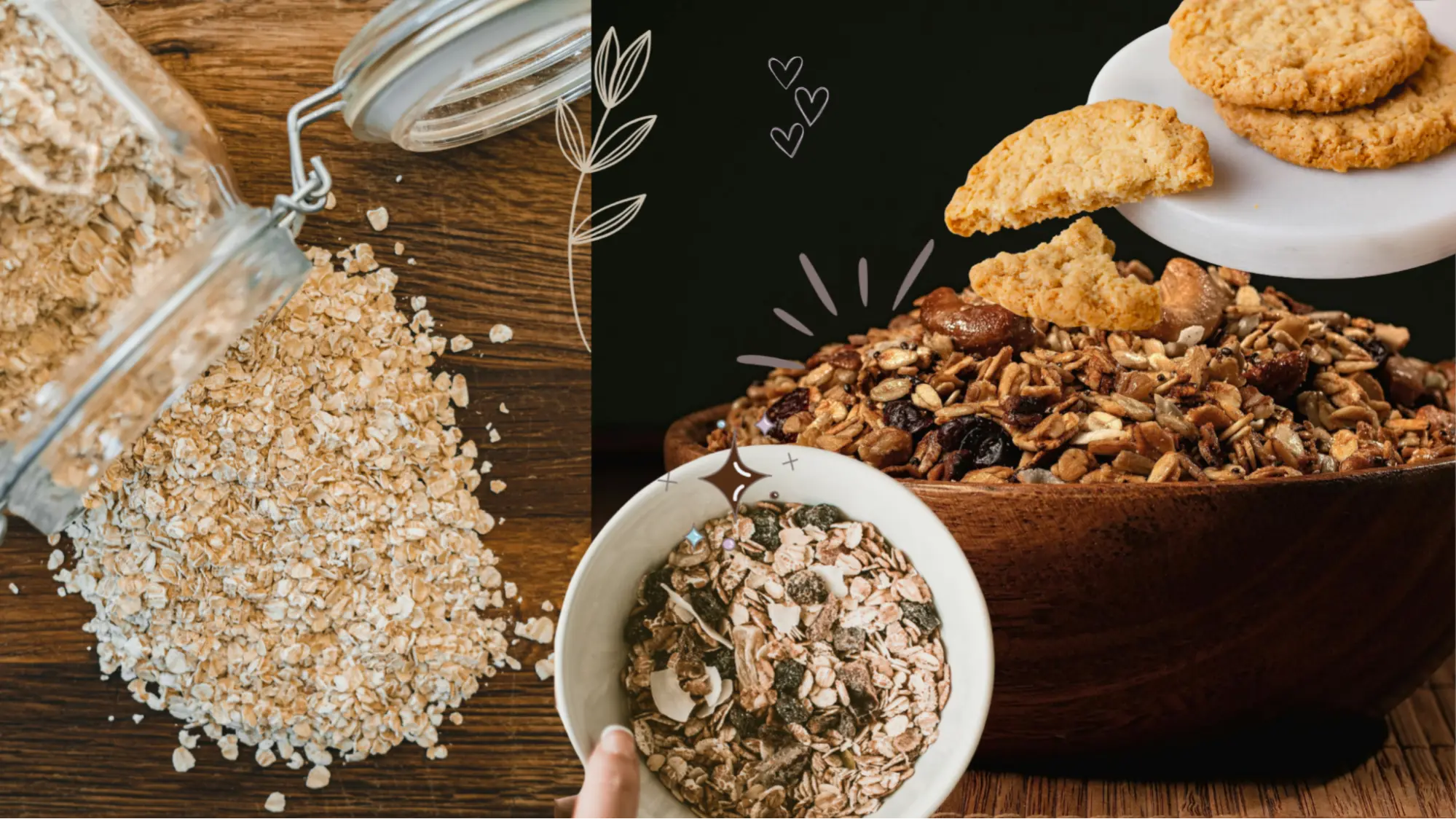
The labels can be confusing, especially if you’re someone who needs to avoid gluten because of celiac disease or sensitivity.
Wheat-Free vs Gluten-Free – What’s the Difference?
What Does “Wheat-Free” Mean?
“Wheat-free” simply means the product does not contain wheat. That’s pretty simple and straightforward, but here’s the catch: wheat is only one of several grains that contain gluten. Barley, rye, and their hybrids also have gluten. Therefore, if something is labelled wheat-free, it may still contain gluten.
What Does “Gluten-Free” Mean?
“Gluten-free” covers the whole family: no gluten from wheat, barley, rye, or their hybrids. Products with a proper gluten-free label are produced under controls that limit gluten to very small amounts, typically less than 20 parts per million. If a product is truly gluten-free, it is automatically wheat-free. The reverse is not guaranteed.
Are Oats Naturally Gluten-Free?
In their pure form, yes. Oats are naturally free of gluten. They grow as oats, not as wheat in disguise. Their key protein is avenin. For most people with gluten intolerance, avenin is harmless. However, a very small percentage of people with celiac disease might still react to avenin.
The Role of Avenin in Oats
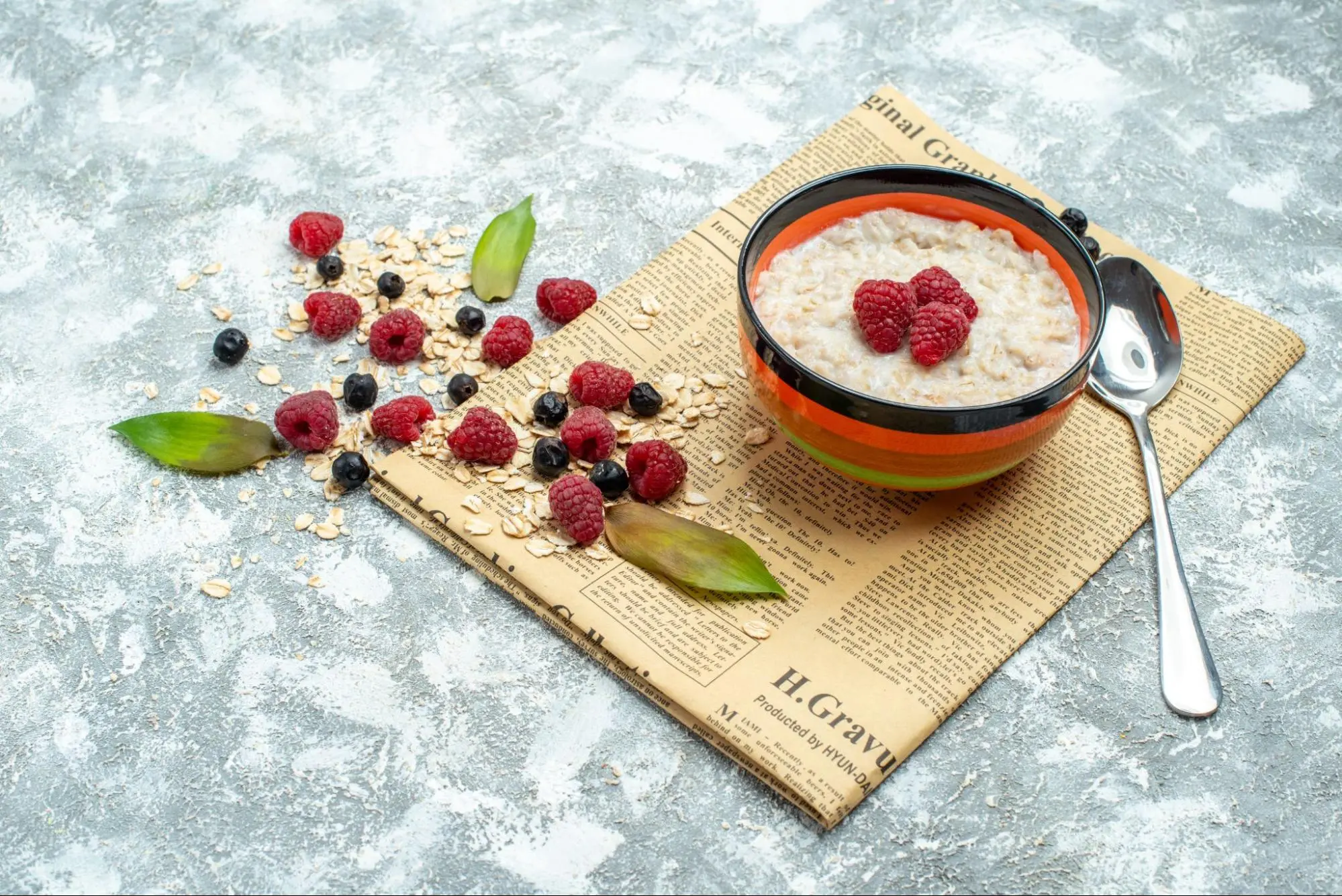
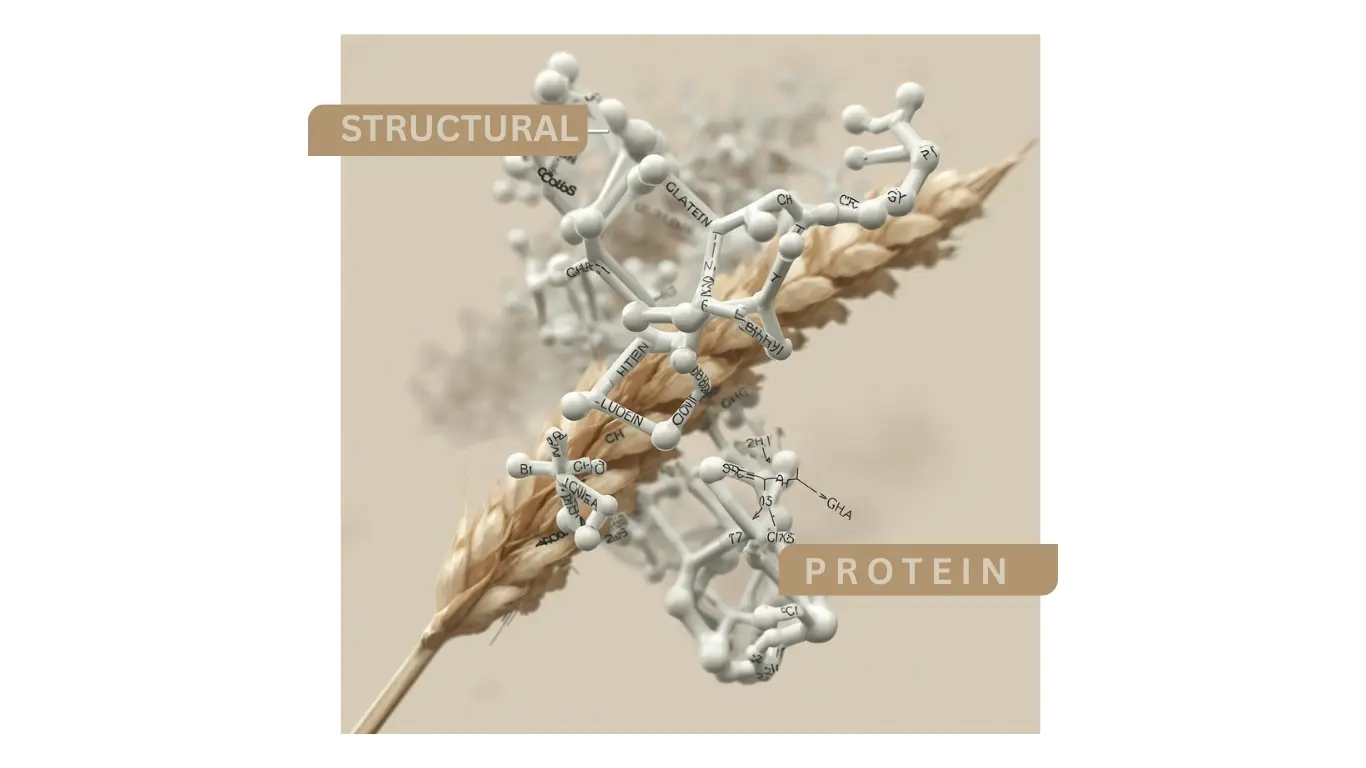
Avenin is the main protein found in oats. It is a structural protein that gives oats its structure. Think of avenin as oats’ version of gluten. For most people, it causes no issues, but some with celiac disease or high gluten sensitivity may find it triggers mild reactions. If tolerated, oats are a healthy choice, rich in fibre and good for energy, digestion, and heart health.
Avenin behaves differently and research shows that the majority of people with celiac disease can eat pure oats without issues. The keyword here is “pure.”
Are Oats Both Gluten and Wheat-Free?
Yes, oats are naturally wheat-free and gluten-free. But in the real world, most oats don’t make it to your breakfast bowl in a pure state. The problem is not the oats themselves but where they’re grown, harvested, and processed.
Why Wheat-Free Oats Are Not Always Gluten-Free
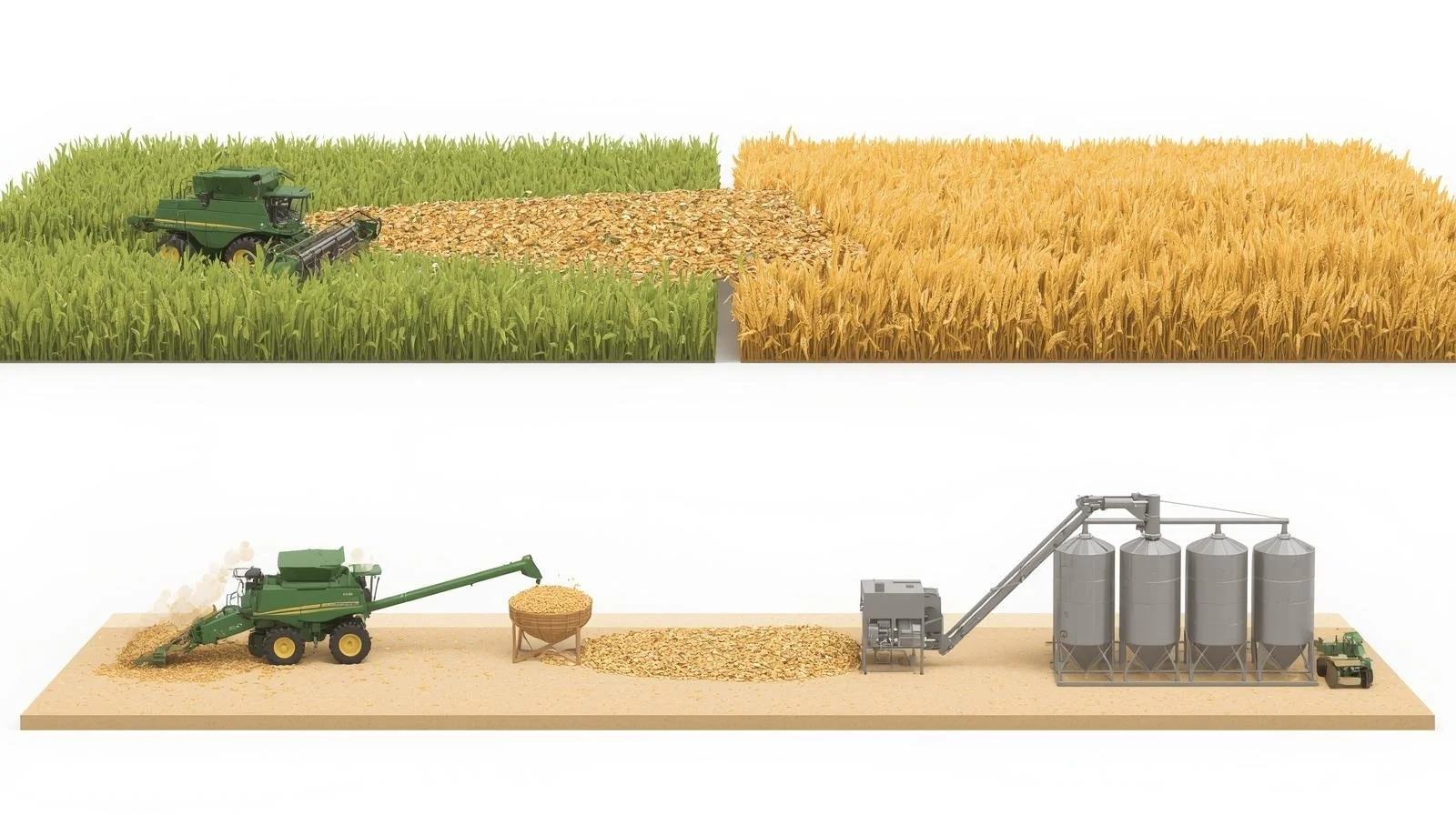
The Risk of Cross-Contamination
Cross-contamination is not about recipes. It’s about logistics. Planting, harvesting, hauling, storage, milling, and packaging create many chances for a handful of gluten grains to sneak into an otherwise clean oat batch.
Common Sources of Contamination
- Field rotation and adjacent crops
Oats grown beside or after wheat or barley can pick up volunteers, the stray plants that reseed themselves. - Shared harvesters and trucks
If equipment isn’t cleaned to a strict standard, residues hitch a ride. - Storage silos and mills
A few kilograms of leftover grain in a silo or on a conveyor belt can blend into the next run. - Mixed-ingredient facilities
Granolas, instant sachets, and flavored oat cups sometimes add malt extract, cookie crumbs, or thickeners that contain gluten.
How to Choose Truly Gluten-Free Oats
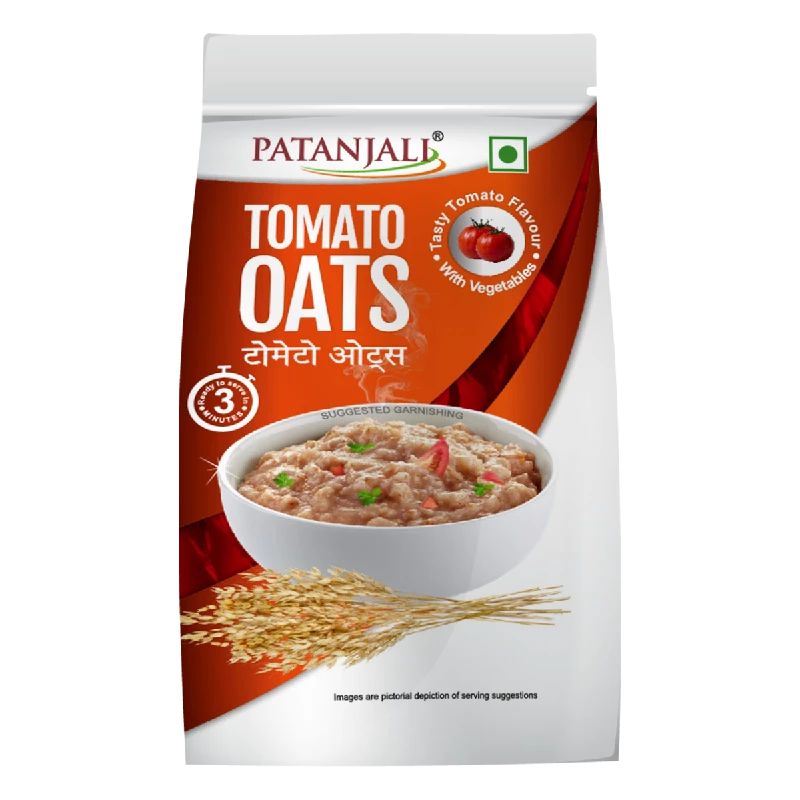
In India, Patanjali is a trusted brand and we at Globelink.shop bring the same goodness and authenticity to your doorstep in Australia. Patanjali Oats is at the right price point too. Patanjali oats are safe for general use and consumption to get the health benefits of oats. However for people with serious food allergies or celiac disease may want to try clearer labels.
Look for Certified Gluten-Free Labels
There is an organisation now which goes by the name GFCO: Gluten-Free Certification Organisation. Choose oats that are labelled “Certified Gluten-Free” from GFOC. This certification means the oats have been grown, processed, and packaged in a way that minimises the risk of gluten contamination. Oats with this label is of the highest quality standards. And are good for consumption for sensitive people.
These oats are regularly tested to make sure they meet the gluten-free standard (usually less than 20 parts per million of gluten).
Pure or Uncontaminated Oats
Now you will sometimes also see “pure oats” or “uncontaminated oats” written on packaging. These labels or brands want to convey that they have been grown, transported and sorted with care. This is another way of saying the oats were kept separate from wheat, rye, and barley right from the start. If you have gluten sensitivity, this is the type you want to buy.
Understanding “Gluten-Free Oatmeal”
Gluten-free oatmeal is just oatmeal made from pure or certified gluten-free oats. It’s the same oats, just prepared as either the instant or rolled kind, which you can cook up for breakfast. The label matters because regular oatmeal could be processed in facilities that handle wheat.
Practical Tips for People with Gluten Sensitivity or Celiac Disease

- Scan labels like a hawk
Look for “gluten-free,” a certification mark, and batch testing statements. “Wheat-free” alone is not enough. - Check the add-ins
Malt extract, certain flavor bases, cookie bits, and some thickeners may contain gluten. - Start small
Try a few spoonfuls of certified gluten-free oats, then pause and notice how you feel over 48–72 hours. - Keep a short safe-brand list
Once a brand treats you right, stick with it. Consistency is a gift. - Ask when ordering
Oat milk and café granolas can be prepared with non-certified oats. A quick “Are your oats certified gluten-free?” can save your day. - Watch the kitchen
At home, dedicate a jar, scoop, and pan for gluten-free oats if you share a kitchen with gluten eaters.
Frequently Asked Questions
Q: Are oats safe for people with celiac disease?
Yes, if the oats are certified gluten-free and personally tolerated. A small group reacts to avenin. If you notice symptoms, stop and talk to your clinician.
Q: Are wheat-free oats automatically gluten-free?
No. Wheat-free only rules out wheat. Gluten can still enter through barley or rye, or via cross-contamination.
Q: Can I eat oatmeal if I’m gluten intolerant?
Choose oatmeal made from certified gluten-free oats. Simple, single-ingredient packs are a good place to begin.
Q: What about oat milk—does it have gluten?
Some brands use certified gluten-free oats, others don’t. Read the label or check the brand’s FAQ. Cafés may use bulk oat milk without certification.
Q: Why do some people with celiac react to gluten-free oats?
Likely sensitivity to avenin, the oat protein. This is uncommon but real. Personal tolerance matters.
Conclusion
Here’s the bottom line you can take to the supermarket. Oats themselves are wheat-free and gluten-free by nature. The confusion starts when they share space with wheat, barley, or rye as they move from soil to shelf. That’s why “wheat-free” on a label is not a green light for gluten-free eating. If you need strict safety, reach for certified gluten-free oats or clearly labeled “pure” or “uncontaminated” oats, then test your own tolerance gently.
Let your labels do the talking. Let your body have the final vote. And if you’re ever stuck between two boxes in the cereal aisle, pick the one that tells you exactly how it stayed gluten-free, not the one that simply says it skipped wheat.