

Niacinamide and Vitamin C: Can You Really Use Them Together? (Spoiler: Yes—Here’s How)


Keytakeaways
Niacinamide and vitamin C
- They hold diverse domains but together they complement each other to improve skin brightness, skin texture, skin protection and wrinkles and fine lines. In our daily skincare routine, yes, you can and often should use niacinamide and vitamin C together.
- New age stable formulation allows us to use them together without having to fear any conflicts between them.
- The right concentration, following correct layering protocols, and the correct timing (morning/evening) are key to reaping the synergistic benefits without irritation.

Introduction
For years, skincare forums, half-read studies, and your friend’s friend’s cousin have been spreading the rumor that vitamin C and niacinamide are mortal enemies. The world of skincare often feels divided into “teams” championing a single hero ingredient—retinol, peptides, vitamin C, or niacinamide. From all of these, vitamin C and niacinamide have perhaps caused the most debates: Can they really be applied at once together? Won’t they cancel one another, or worse, cause redness and flushing?
Advanced research in cosmetic chemistry shows that in today’s time any such concerns are misplaced. Stable advanced formulations available today when used together with knowledge and understanding can do wonders for your skin.Vitamin C and niacinamide aren’t enemies—they’re teammates.
This article simplifies the science, do’s and dont’s, and the right steps so you can knowingly and confidently use both into your skincare routine for best results. They are buddies and happy to work hand in hand to reduce skin pigmentation, boost collagen, create skin protection, and get rid of free radicals.
What exactly are Niacinamide & Vitamin C?
Before we let them fight in your bathroom, maybe we should figure out what they are.
Vitamin C the Beyoncé of skincare (ascorbic acid or its derivatives) is a potent water-soluble antioxidant naturally found in the skin. Everyone talks about it:
- Neutralizes free radicals faster than you can say “oxidative stress.”
- Supports collagen synthesis
- Brightens dark spots and skin by minimising or blocking melanin production (the pigment that gives color to our skin)
Niacinamide (vitamin B3) is a versatile, barrier-strengthening vitamin that is very underrated:
- Skin looks hydrated and fresh, reduces transepidermal water loss,
- Improves elasticity, helps to maintain skin suppleness
- Strengthens skin, doesn’t react to anything and everything minimizing redness and blotchiness
- Balances oil production, generally keeps your skin from acting like an angry toddler.
- Makes skin glass like by smoothening and shrinking pores (or at least makes them look smaller)
Both are standalone skincare essentials; when used in combination, and if layered thoughtfully they can elevate to make your skincare routine very powerful.
Benefits of Using Niacinamide and Vitamin C Together
Here’s why actually using them together makes sense:
-
Enhanced antioxidant protection

Your skin needs a defence and protection mechanism against all the harshness of environmental pollution, personal stress, hectic lifestyles disturbed and reduced sleeping patterns that cause a lot of unwanted free radicals. These simply put are unwanted guests and cause damage and we need a strong defence mechanism to fight these and keep our skin young, healthy and radiant. Using vitamin C and niacinamide together makes a lot of sense as it broadens your antioxidant defense spectrum. Vitamin C directly eats up reactive oxygen species generated by UV exposure and pollution. Niacinamide indirectly protects by boosting the skin’s natural antioxidant enzymes (e.g., glutathione reductase).
How to layer:
- vitamin C first (often lower pH)
- niacinamide second after it giving few minutes gap
This allows vitamin C to do its first level of work against skin surface, topping this up with niacinamide helps recovery and deeper antioxidant defense.
-
Faster dark-spot fading & tone evening
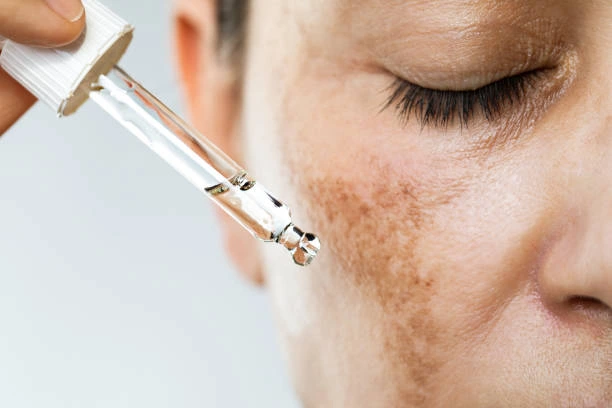

Vitamin C stops melanin from forming in the first place. How? It blocks tyrosinase, the enzyme that is required for production of melanin.
Niacinamide blocks the transfer of melanin to surrounding keratinocytes. Simply put Niacinamide stops the melanin that did form from rising to the surface.
Together, they neutralize hyperpigmentation at two important junctures:
- Production: Vitamin C “Don’t make it” stops excess melanin before it starts.
- Delivery: Niacinamide “Too late? Don’t let it show” stops melanin from moving into the skin’s upper layers.
Which first? Vitamin C, obviously. The acid works best on clean skin. Niacinamide doesn’t care when it arrives—it’s the laid-back guest
-
Stronger barrier + reduced irritation

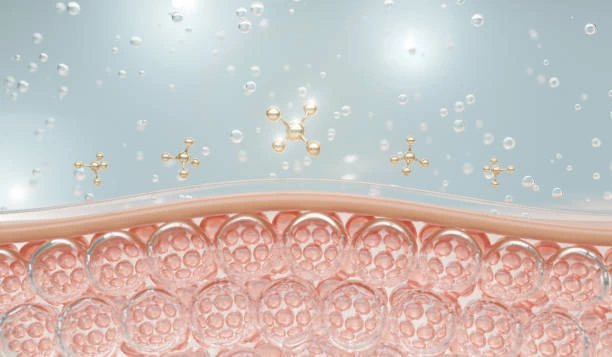
Vitamin C those with 20% pure ascorbic acid—can sometimes feel very harsh to sensitive skin, causing dryness, stinging, or mild irritation.
Niacinamide, steps in and says, “Whoa, chill,” by repairing the barrier and hydrating thanks to its barrier-repair properties, helps reduce that risk.
When to use:
- Morning: Vitamin C + niacinamide
- Night: Niacinamide again (alone or with other actives) to help skin recover from daytime oxidative stress because your skin’s barrier is as tired as you are.
- Anti-aging synergy (collagen support + inflammation control)
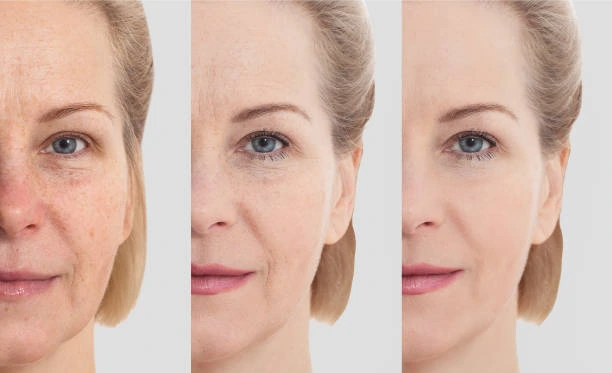
Vitamin C is imperative to manufacture collagen so that our skin stays bouncy. On a humorous note and plain jane language Niacinamide calms inflammation, which eats collagen for breakfast. Together they help your face look well slept, well looked after and rested.
Their togetherness in our daily routines help maintain firmer, smoother skin and reduce fine lines over time.
How to Layer Vitamin C and Niacinamide (Step-by-Step)

Step 1: Choose latest stable formulations
- Vitamin C: Buy airless, dark packaging, don’t buy mystery serum in a clear jar that’s cheaply priced. If your skin is a drama queen and is sensitive then look for derivatives like sodium ascorbyl phosphateL. For normal skin ascorbic acid serums (10–20%) should be ideal.
- Niacinamide: around 5% are usually well tolerated. More isn’t always better—you’re not marinating chicken.
Step 2: Advised to clean and tone
- Start with a gentle cleanser. Apply toner only if it fits your routine
Step 3: Apply Vitamin C Serum
- Best in the morning.
- Pat gently onto the face and neck.
- Wait 1–2 minutes for absorption.
Step 4: Apply Niacinamide Serum
- Layer a lightweight niacinamide serum.
- Allow to absorb.
Step 5: Moisturize & Protect
- Moisturizer and broad-spectrum sunscreen (SPF 30+) are the finishing touches. A two in one product which has moisturizer and sunscreen both is also good for a perfect round off.
- Morning vs Night: When to Use Each
Morning: Vitamin C + niacinamide → brightens, protects against daily oxidative stress. It’s like before stepping out to start your day you have all your defenses in place.
Night: Niacinamide alone. Why? To repair and rejuvenate all damages done during the day (or with other actives like retinol) → helps repair and soothe.
Common Mistakes (and How to Avoid Them)
Using the highest concentrations on day one: Start with lower strengths, especially if your skin is sensitive.
Mixing them together in your palm : Mixing unstable vitamin C with high-pH niacinamide: This can cause minor flushing; layering rather than mixing avoids this.
Forgetting SPF : Vitamin C doesn’t block UV; it helps—but it’s not Superman.Vitamin C enhances photoprotection but does not replace sunscreen.
Expecting miracles overnight : Its skincare, not sorcery. Hyperpigmentation and collagen changes take weeks to months of consistent use.
FAQs
-
Can you use vitamin C and niacinamide together?
Yes, that’s already established. Both together are greater defenses. Yes. Modern studies and stable formulations show they work synergistically and do not cancel each other out.
-
How to layer vitamin C and niacinamide?
- Apply vitamin C first (usually lower pH).
- Follow with niacinamide serum.
- Then moisturize and apply SPF.
-
Vitamin C and niacinamide—which first?
Vitamin C first, as it works best in a slightly acidic environment and needs direct contact with skin. Allowing a minute to get absorbed and then use Niacinamide
-
When to use niacinamide and vitamin C in a routine?
Start your day with both (Morning: Together for antioxidant protection and brightening) Evening : Niacinamide works best in double shifts so comes back in the night to help barrier recovery.
-
Can I use vitamin C and niacinamide serum in the same routine?
Yes—as long as you’re layering, not cocktail-mixing on your palm. If formulated separately, layer as above. Alternatively, use a serum that combines stabilized forms of both.
-
Do they cancel each other out or cause flushing? (myth clarification)
Not unless you’re using 1960s-level heat and pH. Modern products stay stable. Old 1960s research showed niacinamide might convert to niacin and cause flushing at high temperatures and acidic pH. Modern formulations and normal skin pH make this negligible.
-
Can I Just Use a Serum That Combines Both?
Sure, if the brand knew what it was doing and used stabilized forms. If it uses stabilized derivatives (e.g., sodium ascorbyl phosphate + niacinamide) and is well-formulated. These are convenient and often effective.