
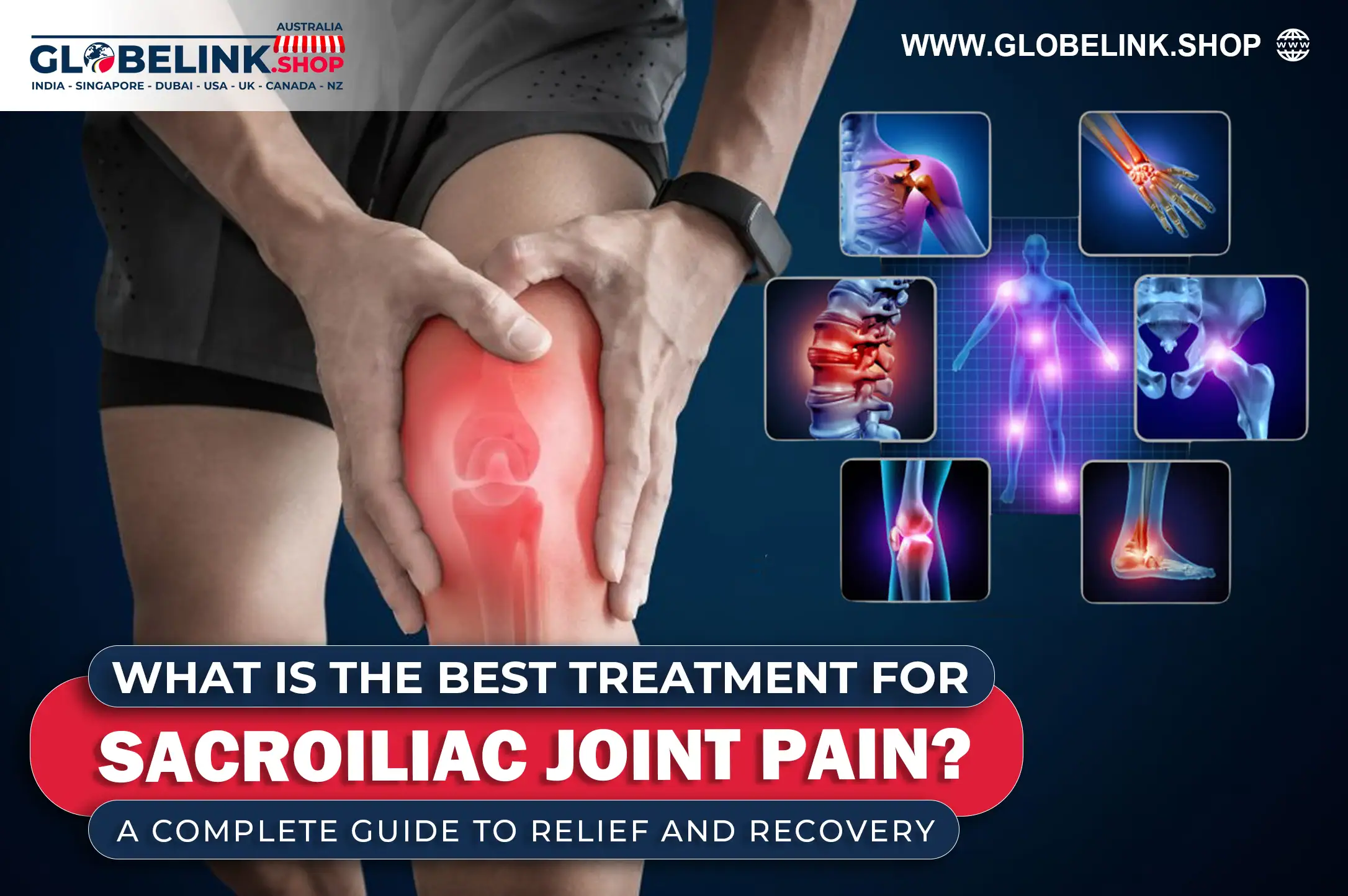
The sacroiliac (SI) joint plays a small but vital role in keeping your body stable and pain-free. Located where the spine meets the pelvis, it acts like a shock absorber—helping you walk, run, lift, and twist with ease. But when this joint gets inflamed or strained, it can lead to persistent lower back, hip, or leg pain that disrupts daily life.
In this blog, we’ll explore how the SI joint works, what causes pain, how to recognize the symptoms, and the most effective treatments—ranging from simple exercises and herbal remedies to advanced medical options.
The joint that connects, divides, or bridges the upper and lower body is the pelvic girdle, and tucked right inside this area is a small but mighty player- the sacroiliac joint. It links the end of the spine (sacrum) to the pelvis (ilium) on both sides. This joint bears the load of the entire upper body and distributes that mechanical weight evenly across the hips and legs while we walk, run, or jump. It acts as a buffer, absorbing shocks and protecting the spine from direct impact. Since its job is to stabilize the body during movement, it doesn’t allow too much wiggle room. But in order to be a great shock absorber, the SI joint does offer a tiny bit of flexibility — about 2 to 4 millimeters in both directions. Just enough to keep things moving smoothly.
In short: the spine and pelvis may be the stars, but the sacroiliac joint is the backstage crew making sure you or the human body runs like a well-oiled, beautifully choreographed machine.
There are numerous ways by which the sacroiliac joint can get injured, inflamed, irritated, or misaligned, resulting in sacroiliac (SI) joint pain as per studies. There could be one or many underlying reasons—stress, injury, arthritis, pregnancy, a wrong mattress or sleeping posture, or even the way we carry ourselves, creating an imbalance in how the body moves.
Specific Causes:
Slips, falls or vehicular accidents that directly impacts could injure the sacroiliac joint (SI) causing pain. Repetitive stress from activities like running or certain sports could also contribute to injury.
Degenerative joint diseases like the wear-and-tear type, can affect the SI joint, causing pain and stiffness because of loss of cushioning and thus increased friction. Osteoarthritis and Ankylosing spondylitis, an inflammatory arthritis is the most common
Hormonal changes during pregnancy loosen ligaments in the SI joint thus reducing the strong support system around this joint up causing laxity to hold the pregnancy and to deliver the baby, The increased weight and altered posture can put extra stress onthe joint, leading to pain.
Activities that involve repetitive twisting or bending, or prolonged standing or sitting, can strain the SI joint and cause pain.
Weak muscles surrounding the SI joint can reduce its stability, leading to pain and dysfunction.
Conditions affecting how a person walks, like scoliosis or leg length discrepancies, can lead to uneven weight distribution on the SI joint, causing pain.
Though less common, infections can also cause inflammation and pain in the SI joint.
SI joint pain can sometimes develop after certain spinal surgeries.
Sleeping like a human origami project or in a yoga pose gone wrong could also tick this off
A deep, dull ache or a sharp, stabbing pain in the lower back, buttocks, hip, groin, or even down the thighs are common symptoms of sacroiliac joint pain. Many times, as reported by people, pain is often more on one side, and usually it gets worse while changing postures, such as sitting to standing or climbing stairs, which is a series of continuously changing positions. Similarly, rolling in bed could be painful, and so could be standing or sitting for a long time. Normal day-to-day routine movements could be painful due to sacroiliac joint pain, which sometimes could also feel like leg weakness or instability. Patients and physicians can make an accurate diagnosis when they have a clear, pinpointed picture of symptoms. SI joint pain can appear in a multitude of ways, but most observed patterns include:
The best treatment for sacroiliac pain depends on whether it is mild, moderate, or chronic:
A combination of physical therapy, medication, and lifestyle changes often gives the best long-term outcomes.
Non- Surgical treatments or Conservative Treatments: The go‑to first step for SI joint pain is usually conservative care, a mix of physical therapy, topical oils or gels like Himalaya Herbals Rumalaya Gel, herbal tablets like Patanjali Lakshadi Guggul and Patanjali Amvatari Ras are few of them which have been very effective. OTC pain relief medications also give instant relief. But herbal tablets are safe and have no side effects and thus can be consumed for a longer period of time.
Topical Oils or gels: Done consistently, this approach is often both safe and highly effective.
When people ask about the best meds for SI joint pain or the best medication for sacroiliac joint pain, doctors usually recommend:
⚠️ Note: Medications provide temporary relief — they don’t cure the underlying issue. Always combine them with strengthening exercises and lifestyle changes.
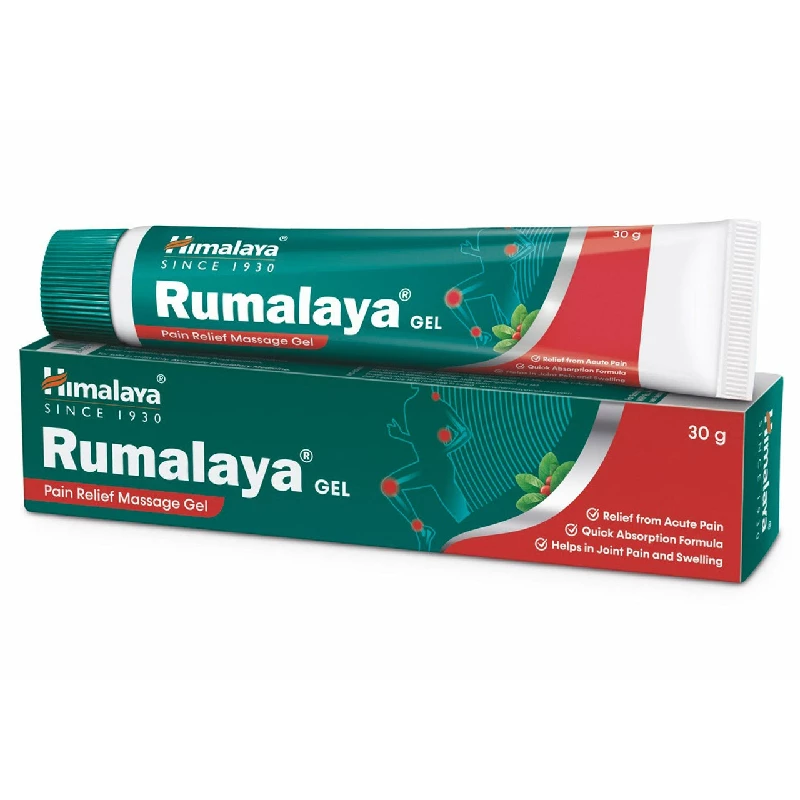
This is formulated with natural ingredients such as Guggal, Shallaki and wintergreen, ideal for reducing inflammation and easing arthritis pain as per research. Click on the link to place your order from an authentic reliable site selling original products .
Herbal Medicines : Clinically proven for low bone density and osteoporosis crafted from authentic herbal extracts
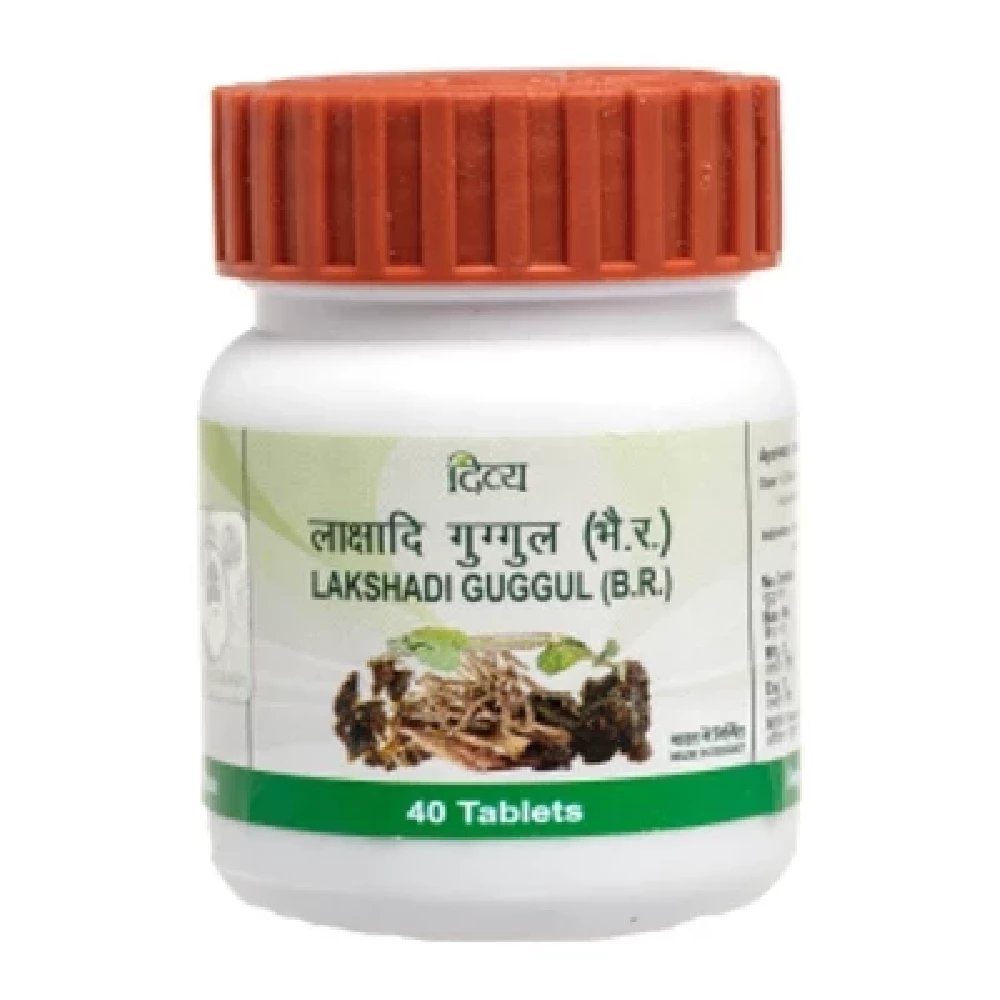
This nourishes bones aiding swift recovery as per research. Order here for the best authentic product delivered to your doorsteps
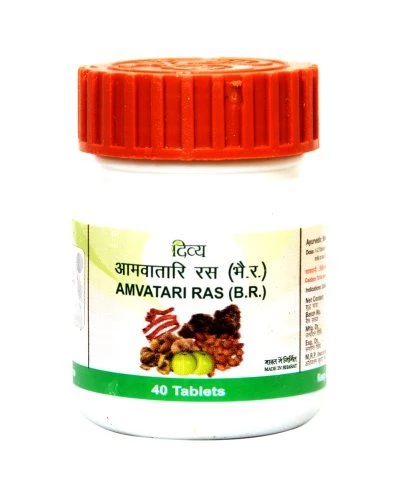
Looking for a comprehensive solution for your joint another age old authentic recipe comes in the form of Patanjali Amvatari Ras. Enriched with anti inflammatory herbs and natural calcium it fortifies bone structures, reduces inflammations soothes joint pains. Say goodbye to sore joints and embrace lasting relief. Click here to order https://globelink.shop/product/patanjali-amvatari-ras-pack-size-20-g/
Exercises that toughen and stabilize core and hips work the best. A consistent and dedicated approach can reduce stiffness, enhance flexibility and strengthen the pelvic, thus easing discomfort. Physical therapy is at the heart of it. A ysical therapist teaches sacroiliac joint pain exercises– which is usually a combination of mobility, flexibility and strengthening that ease tension in the muscles helping them to relax and build support around the joint by strengthening them through targeted sets of exercises and yoga asanas. Starting soon after the pain begins, it helps bring back balance and movement in the lower back, pelvis, and hips. The main goals are to
ice is used post activity to reduce inflammation. Heat helps relax tight muscles and prepare the body for stretching and exercise. Alternating this can give comfort during physical activity.
Pelvic braces or SI belts provide gentle mechanical stabilization to ease movement, offering immediate but modest relief during daily activities or exercise.
Non-Steroidal Anti-Inflammatory Drugs (NSAIDs) Oral NSAIDs and topical analgesics are both shown to be effective .
When conservative measures aren’t enough Advanced Interventions for patients who don’t find sufficient relief from conservative methods, the next tier involves targeted interventions.
These anti-inflammatory injections are delivered under image guidance (fluoroscopy or CT) for accuracy. Many patients experience relief lasting weeks to several months. In general, 1–3 injections may provide significant benefit when combined with physical therapy While regarded as the gold standard, their effectiveness may diminish over time, and repeated injections pose potential risks including local cartilage damage or systemic side effects .
When steroid injections fail, RFA offers a minimally invasive alternative. Radio waves heat small nerve fibers to disrupt pain signals, and clinical reviews show effectiveness lasting up to 12 months
The Last Step If pain persists beyond six months despite exhaustive conservative efforts and specialist confirmation, surgical options may be considered. SI Joint Fusion Often performed using minimally invasive techniques with titanium implants, fusion aims to permanently stabilize the joint. Studies report significant pain reduction—averaging around 73% improvement after one year in selected cases Outcomes vary: 70–80% of patients report satisfaction, though some experience complications related to approach and hardware; fusion may also limit nearby joint mobility. Surgeons often proceed with lateral minimally invasive techniques or isolated fixation, balancing invasiveness against functional outcomes.
When it comes to curing sacroiliac joint pain at home, ayurvedic gels, herbal tablets and small changes in routine habits can make a huge difference. Taking a timely break from long hours of sitting or walking, gentle stretching in the morning or before bed helps keep the joint from stiffening up, while short walks or targeted SI exercises keep the muscles around your hips and lower back strong and flexible. Applying a warm compress or an ice pack where it hurts can bring quick relief on tough days. Paying attention to correct posture- while walking, whilst lifting weight, sitting up straight and avoiding a hunch back- and choosing a supportive mattress or cushion can also take pressure off the joint. We can also take help of SI BELT or braces that provide gentle mechanical stabilization to ease movement, offering immediate but modest relief during daily activities or exercise. These are few suggestive exercises seen to have been quick to give relief in sacroiliac joint pain
Pelvic Tilts: Engaging deep core stabilizers by gently pressing the lower back
into the floor while supine. (10–15 reps)
Bridge Pose: Lifting the hips from a supine position using glutes and
hamstrings. Core remains engaged. (10–15 reps)
Bird-Dog: From all-fours, extend opposite arm and leg, keeping a neutral
spine. (10 reps side)
Clamshell/Hip Abduction: Side-lying exercise targeting outer hip muscles.
(12–15 reps)
Knee-to-Chest Stretch: A supine stretch pulling one knee into the chest to
loosen hamstrings and glutes. (30 seconds, 2–3 reps each side)
Piriformis Stretch: Cross-leg seated or supine stretch to release the
piriformis muscle, which often aggravates SI pain.
Cat-Cow and Child’s Pose: Yoga-based moves to mobilize the spine and soothe tension.
Gentle consistency is crucial—avoiding pain flares that could worsen symptoms. Over time, these small steps — when turned into a consistent routine and combined with lifestyle, behavioral, and psychological changes — often add up, making daily life easier and movement more comfortable.
Targeted exercises, over the counter painkillers, muscle relaxant and anti-inflammatory drugs can help in sacroiliac joint pain relief. For more complicated cases however doctors may suggest interventional treatments such as corticosteroid injections- offering instant relief in sacroiliac joint pain as this targets inflammation at the source.
Now one might think, is there a cure for sacroiliac joint pain? The answer is yes for sure a long term respite is there. The ideal path would be a holistic approach and balanced overview of things. A thoughtful custom combination of targeted exercises, common OTC pain relief, smart use of heat/ice packs and professional care when needed, over time with consistent efforts all this helps in long term relief in sacroiliac joint pain without needing surgery. However in more serious cases, where pain lingers refuses to settle down and seriously limits life, sacroiliac joint pain treatment might expand to include surgery, commonly known as SI joint fusion.
Sacroiliac (SI) joint pain treatment options range from conservative to surgical, each with its own set of pros and cons. Conservative treatments like physical therapy, pain relievers, and injections offer initial relief with minimal invasiveness, but may not provide long-term solutions. Surgical options like SI joint fusion can offer long-term pain relief and improved mobility, but carry risks associated with surgery and prolonged
Physical Therapy
Pain Relievers and Muscle Relaxants
SI Joint Injections
Heat and Ice Therapy
Orthotics and Shoe Modifications
Surgical Treatments
SI Joint Fusion