

What is Ghee? Your Ultimate Guide to This Golden Cooking Fat
- Posted on
admin
- Categories: Uncategorized
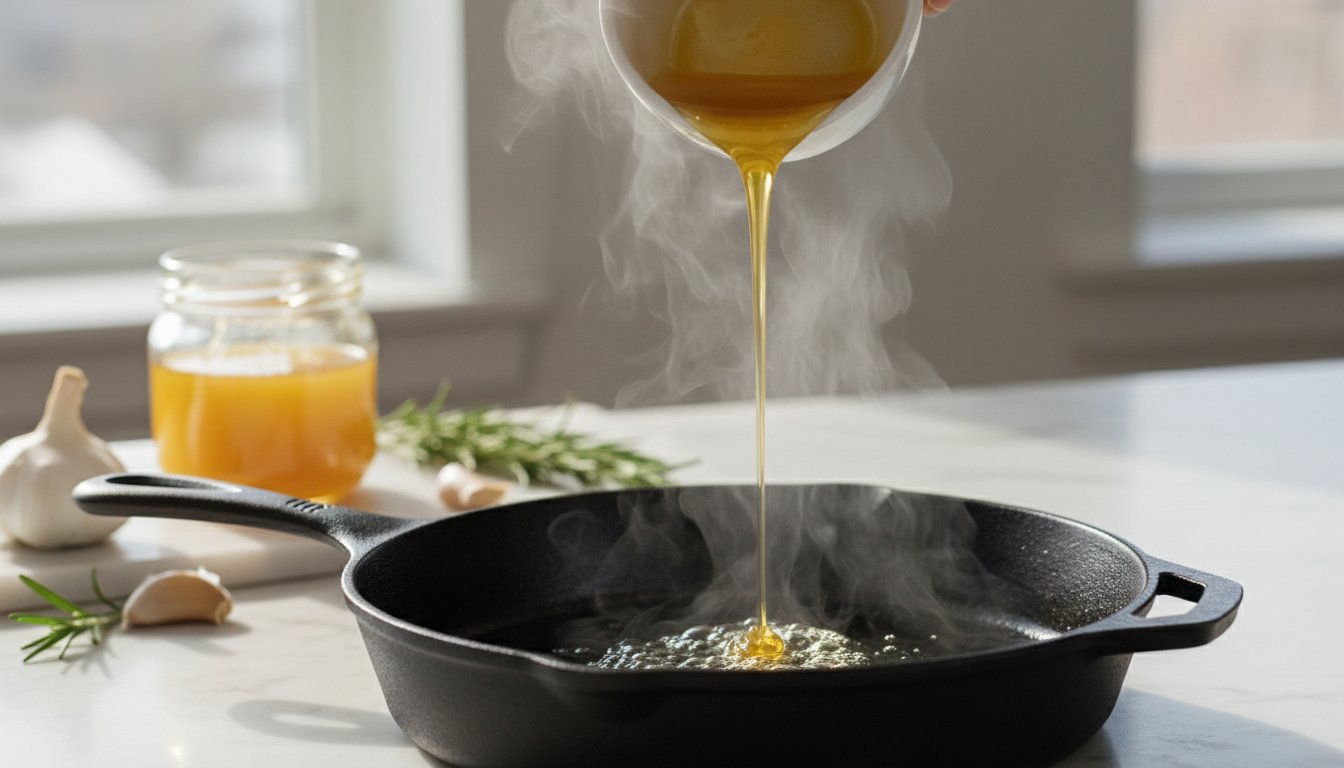
Seen ghee in the supermarket but not sure what to do with it? Is it just a different type of butter? Is it actually healthy? The confusion is real. You see different labels—grass-fed, cultured—and don’t know which to buy or how it tastes. It can feel complicated, but it doesn’t have to be. Stop guessing and get the straight facts on this golden cooking fat.
This is your ultimate guide. No fluff. Just the information you need. We will show you exactly what ghee is and the key differences between it and regular butter. You’ll discover the real health benefits and learn how to shop for the right type with confidence. Plus, we give you simple, practical ideas to use it in your everyday cooking, from frying eggs to roasting vegetables. Get ready to elevate your meals with amazing flavour. All the answers you need are right here.
What is Ghee? More Than Just Clarified Butter
Ghee is a type of clarified butter with deep roots in Indian cuisine and Ayurvedic tradition. It is made by simmering unsalted butter for an extended period. This process removes all water content and milk solids, leaving behind pure butterfat. For a complete overview of its history and composition, you can read more about What is Ghee? as a foundational reference.
The key step in creating authentic ghee is allowing the milk solids to sink to the bottom of the pot and caramelize. This gives the final product its signature rich, nutty flavour and fragrant aroma. Once the golden liquid fat is strained, it becomes incredibly stable, with a long shelf life that doesn’t require refrigeration.
Ghee vs. Clarified Butter: What’s the Real Difference?
While similar, ghee and clarified butter are not the same. The process for clarified butter stops once the water has evaporated and the milk solids are skimmed off. To make ghee, the cooking continues until those milk solids brown, or caramelize. This extra step is what creates ghee’s distinct nutty taste, darker golden colour, and a slightly higher smoke point, making it superior for high-heat cooking.
Ghee vs. Butter: A Head-to-Head Comparison
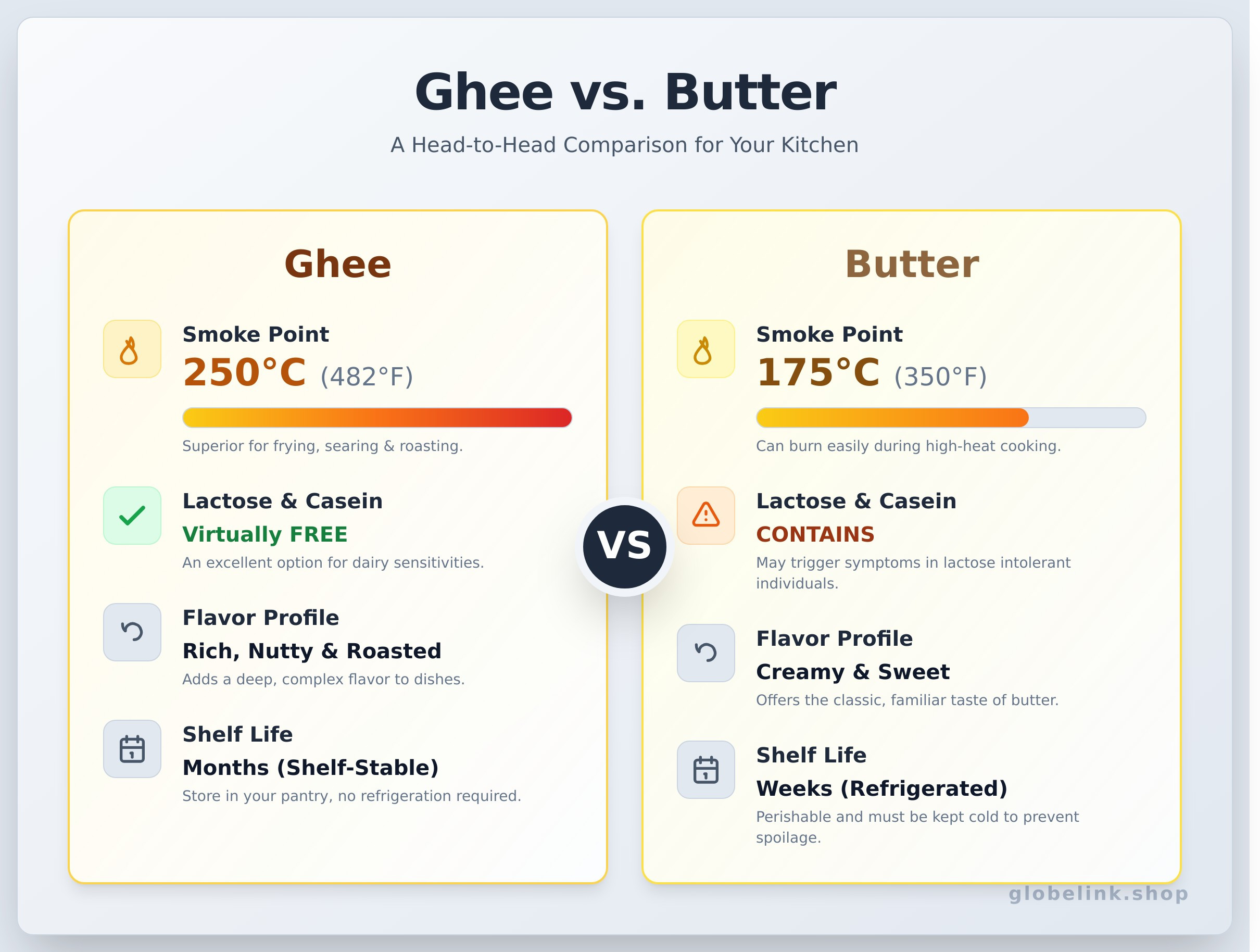
Choosing between these fats depends on your cooking needs and dietary preferences. Here is a direct comparison of their key features.
- Smoke Point: Ghee has a very high smoke point of around 250°C, ideal for frying and searing. Butter’s smoke point is much lower, at about 175°C, and it can burn easily.
- Lactose & Casein: The simmering process removes virtually all lactose and casein. This makes ghee a suitable option for many people with dairy sensitivities.
- Flavour Profile: Butter offers a creamy, sweet flavour. Ghee has a more intense, nutty, and slightly roasted taste that adds depth to dishes.
- Shelf Life: Ghee is shelf-stable and can last for several months in a pantry. Butter is perishable and must be kept refrigerated.
Top Health Benefits of Cooking with Ghee
Ghee is more than just a cooking fat; it’s a functional food that delivers significant wellness advantages. Valued for centuries in Ayurvedic medicine for its healing properties, this golden liquid is a source of stable, healthy fats. Today, its benefits make it a perfect fit for popular dietary plans, including Keto, Paleo, and Whole30. The unique clarification process is key to unlocking its primary health benefits.
High Smoke Point for Safer Cooking
A cooking fat’s ‘smoke point’ is the temperature at which it stops shimmering and starts to smoke. When an oil or fat reaches this point, it begins to break down, which can release harmful free radicals and create a bitter taste. Ghee boasts a very high smoke point, typically around 250°C. This stability makes it a superior choice for high-heat methods like frying, searing, and roasting. Unlike many vegetable oils that can oxidize easily, ghee remains stable, ensuring your food is both delicious and safely prepared. For a practical guide on its kitchen uses, see this resource on How to Use Ghee.
Rich in Fat-Soluble Vitamins
High-quality ghee, especially when made from the butter of grass-fed cows, is a natural source of essential fat-soluble vitamins. These vitamins are crucial for overall health and are best absorbed by the body when consumed with a source of fat, making it an efficient delivery system. Key vitamins include:
- Vitamin A: Vital for maintaining healthy vision, immune function, and skin.
- Vitamin E: A powerful antioxidant that helps protect cells from damage.
- Vitamin K2: Plays a key role in bone health and calcium metabolism.
Lactose and Casein-Free Alternative
One of the most significant benefits of ghee is what it’s missing. During the clarification process, the milk solids—which contain lactose (milk sugar) and casein (milk protein)—are removed. This makes it an excellent butter substitute for many people with dairy sensitivities. It’s important to distinguish between lactose intolerance, which causes digestive upset due to an inability to break down milk sugar, and a true dairy allergy, which is an immune system reaction to casein. Because it is virtually free of both, it allows you to enjoy a rich, buttery flavour without the discomfort.
How to Use Ghee in Your Everyday Cooking
Ghee is more than just a staple of Indian cooking. Its high smoke point and rich, nutty flavour make it a superior choice for many dishes across global cuisines. Think of it as a versatile upgrade to butter or cooking oil. You can easily swap it into your daily routine to enhance both savoury and sweet meals, adding a unique depth of flavour that other fats can’t match.
For High-Heat Cooking
With a smoke point of around 250°C, this cooking fat will not burn or break down like butter or many common oils. This stability makes it perfect for cooking methods that require high temperatures. It ensures your food cooks perfectly without any bitter, burnt taste, creating a clean flavour profile.
- Sautéing: Cook vegetables like onions, garlic, and greens to bring out their natural sweetness.
- Searing: Get a perfect golden-brown crust on steaks, chicken, or fish.
- Roasting: Toss potatoes and root vegetables in melted ghee for an extra crispy finish.
- Frying: Use for shallow-frying or deep-frying everything from schnitzel to samosas without worry.
For Baking and Spreading
Replace butter 1:1 with this clarified butter in many baking recipes. Because the milk solids and water have been removed, it contributes to incredibly flaky textures in pastries and tender results in cakes and cookies. Its distinct, nutty flavour also adds a new dimension to simple spreads.
- Pastries & Crusts: Use for flaky pie crusts, biscuits, and shortbread.
- On Toast: Spread on toast or muffins for a richer taste than butter.
- Drizzling: Melt and pour over popcorn, rice, or steamed vegetables for instant flavour.
Beyond the Frying Pan
Its rich flavour makes it an excellent finishing fat and a creamy addition to drinks and sauces. You don’t need much—a little goes a long way to add depth and a satisfying richness to your favourite recipes, elevating them from simple to special.
- In Coffee: Stir a spoonful into your morning coffee for a creamy, keto-friendly energy boost.
- Sauce Base: Use as the foundation for rich gravies, marinades, or classic sauces.
- As a Finisher: Drizzle over a finished bowl of dal, soup, or stew just before serving.
From high-heat searing to a final flavourful drizzle, ghee is a powerful, multi-purpose ingredient for any modern Australian kitchen. Stock your pantry with this golden fat and discover its benefits for yourself. Find everything you need for your next meal, from spices to cooking oils, at Globelink.shop.
A Buyer’s Guide to Choosing the Best Ghee
Navigating the world of clarified butter can be confusing. Not all ghee is created equal, and the labels can be packed with terms that mean different things for quality, flavour, and nutritional value. This guide breaks down what you need to know to find the perfect product for your kitchen, from understanding the source to checking for quality.
Understanding the Labels: What to Look For
When you browse different brands, you will see several common terms. Here’s what they mean for you:
- Grass-Fed: This ghee comes from the milk of cows that grazed on grass. It is often a deeper yellow colour and is typically higher in beneficial nutrients like Omega-3 fatty acids and Vitamin K2.
- Organic: Certified organic ghee is made from the milk of cows raised on organic feed, free from synthetic pesticides and antibiotics. This is a great choice if you prioritise clean, organic ingredients in your pantry.
- Cultured: Made from butter that has been cultured with live bacteria (like yogurt), this type has a slightly tangy and more complex flavour profile. It’s a traditional method and is favoured for its rich taste.
- A2 Ghee: Sourced from the milk of specific cow breeds (like Gir or Sahiwal) that naturally produce only the A2 beta-casein protein. Many people believe A2 milk products are easier to digest.
How to Store Ghee for Maximum Freshness
One of the best features of this cooking fat is its long shelf life. Because the milk solids and water have been removed, it does not spoil easily. For best results:
- Store it in an airtight container in a cool, dark place like a pantry.
- Always use a clean, dry spoon to scoop it out. Introducing moisture or food particles can cause it to spoil.
- Refrigeration is not necessary. It will make the ghee very hard, but it can extend its life even further if you live in a very hot climate.
Ready to Find Your Perfect Ghee?
Choosing the right product comes down to your priorities. For high-heat searing and frying, a classic, pure ghee offers a high smoke point and neutral flavour. If you’re using it as a finishing drizzle or in traditional Indian dishes, a cultured or grass-fed option will add a delicious, nutty aroma. If you’re new to it, start with a classic variety to get a feel for its versatility.
Ready to explore the options? Shop our selection of authentic Indian ghee now! Find top brands at great prices and get cooking today.
Embrace the Golden Goodness: Your Next Steps with Ghee
As you’ve discovered, this golden cooking fat is far more than just clarified butter. It’s a versatile, lactose-free staple with a high smoke point and a rich, nutty flavour that can elevate any dish. From your morning eggs to a flavourful weeknight stir-fry, incorporating this ingredient is a simple way to enhance your meals and embrace a healthier cooking oil.
Ready to stock your pantry? Globelink.shop is your one-stop shop for all cooking staples. We carry authentic Indian and international brands, and with worldwide shipping available, you can get the very best ghee delivered directly to your door in Australia. Don’t wait to discover your new favourite kitchen essential.
Explore our wide range of authentic ghee brands. Shop now!
Frequently Asked Questions About Ghee
Is ghee healthier than butter?
Ghee is often easier to digest for those with lactose sensitivities because the milk solids are removed during clarification. It also has a higher smoke point (around 250°C) than butter, making it a more stable choice for high-heat cooking. However, both are concentrated sources of fat and should be consumed in moderation as part of a balanced diet. Neither is definitively “healthier” as it depends on individual dietary needs.
Is ghee vegan?
No, ghee is not vegan. It is a dairy product made by clarifying butter, which is derived from cow’s milk. The process removes milk solids and water, but the fat itself is from an animal source. Therefore, it is not suitable for a vegan diet. Vegans looking for a similar cooking fat can use alternatives like coconut oil or other plant-based butter substitutes for their cooking needs.
How long does ghee last and does it need to be refrigerated?
Ghee is very shelf-stable due to the removal of milk solids and water. An unopened jar can last for up to a year in a cool, dark pantry. Once opened, it will stay fresh for 3-6 months at room temperature. Refrigeration is not required and will cause it to become very hard. Always use a clean, dry spoon to prevent moisture and bacteria from entering the jar.
Can I make my own ghee at home?
Yes, making your own ghee is simple and cost-effective. Slowly melt a block of high-quality, unsalted Australian butter over low heat. Let it simmer until the milk solids separate, foam on top, and then sink to the bottom. Once the solids at the bottom turn a light brown, strain the clear golden liquid through a cheesecloth into a clean jar. This is a great way to get premium ghee for a lower cost.
What does ghee taste like?
Ghee has a rich, nutty, and slightly toasted flavour profile. The process of gently browning the milk solids gives it a deeper, more complex taste than standard butter. It has a clean, buttery aroma with hints of caramel. This distinct flavour makes it a fantastic choice for sautéing spices, roasting vegetables, or simply spreading on flatbread, adding a unique richness that butter does not provide.
Why is ghee sometimes solid and sometimes liquid?
The consistency of ghee changes with the ambient temperature. Its melting point is typically between 25°C and 35°C. In a warm kitchen or during an Australian summer, it will be in a liquid state. In cooler temperatures, it will solidify and become opaque, similar to coconut oil. This change between solid and liquid is completely normal and does not affect the quality, taste, or shelf life of the product.